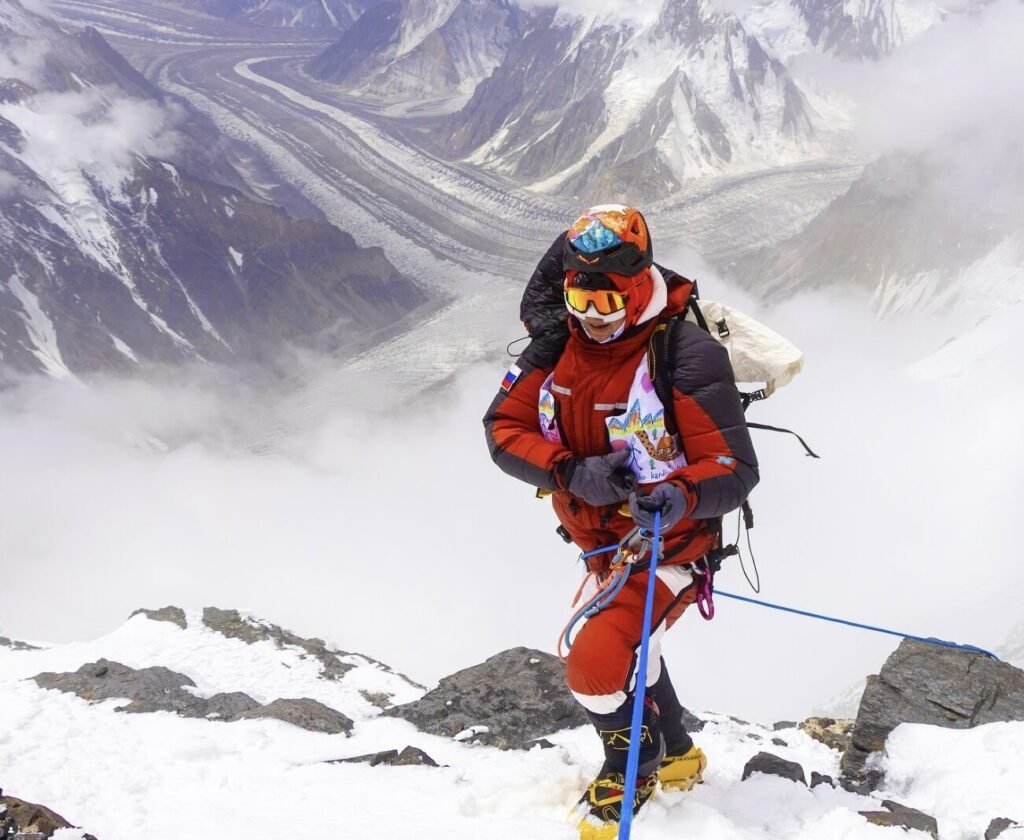
The K2 Expedition is the ultimate challenge for experienced high-altitude mountaineers. Rising to 8,611 metres in Pakistan’s Karakoram Range, K2 is the world’s second-highest mountain and one of the most demanding and respected peaks in mountaineering.
This expedition takes climbers from Islamabad to the heart of Baltistan and deep into the Karakoram, following the legendary Baltoro Glacier to Concordia and K2 Base Camp. From there, the journey becomes a true high-altitude climbing expedition, involving weeks of acclimatisation, technical climbing, rotations on the mountain and a carefully planned summit attempt.
K2 is not a trekking objective. Reaching the summit requires exceptional physical fitness, extensive experience on high mountains, strong technical climbing ability and the ability to make sound decisions in an extreme environment.
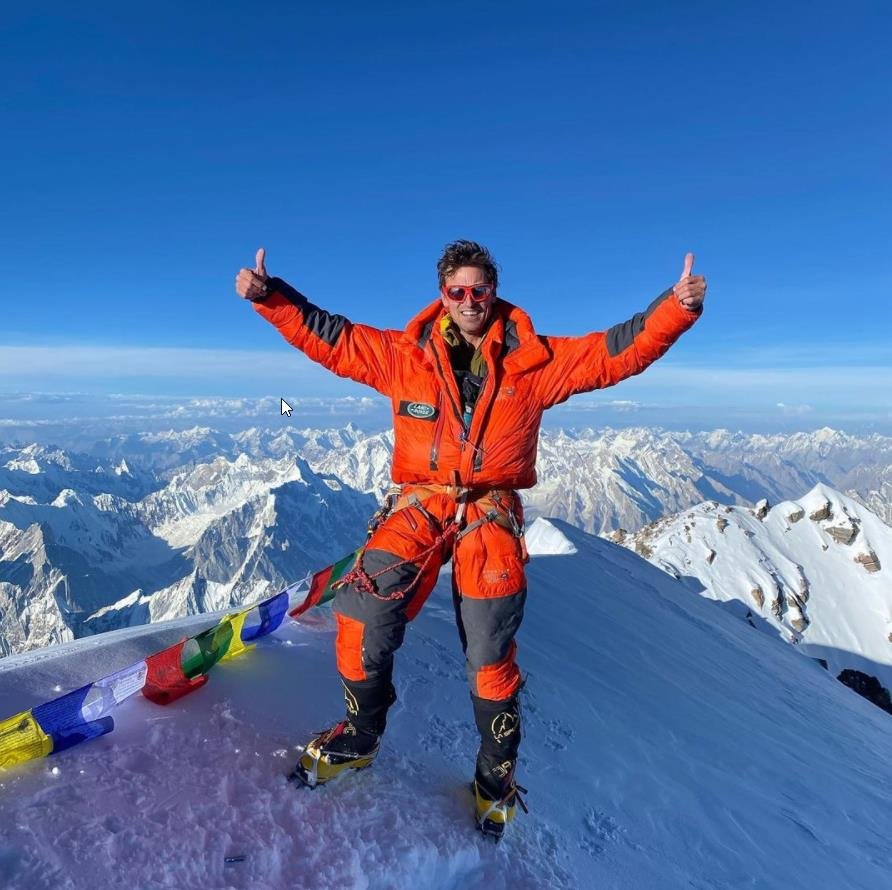
For those with the necessary experience and preparation, standing on the summit of K2 is one of the greatest achievements in world mountaineering.
Expedition Duration: Approximately 50–60 Days
Trekking Duration: Approximately 7–9 Days to K2 Base Camp
Climbing Duration: Approximately 30–40 Days, including acclimatisation and summit window
Maximum Altitude: 8,611 m / 28,251 ft
Peak: K2 — World’s Second-Highest Mountain
Difficulty: Extremely Difficult / Technical High-Altitude Expedition
Technical Experience Required: Yes
Best Climbing Season: June to August
Starting Point: Islamabad, Pakistan
Expedition Base: K2 Base Camp
Approach Route: Askole – Baltoro Glacier – Concordia – Godwin-Austen Glacier
Accommodation: Hotels and expedition camping
Meals: As specified in the expedition package
Group Size: Limited expedition team
Summit Success: Never guaranteed
The K2 Expedition is designed exclusively for highly experienced mountaineers with a strong background in technical climbing and high-altitude expeditions.
K2 is not suitable for beginners or climbers whose experience is limited to trekking or non-technical peaks. Participants should have previous experience on major high-altitude mountains and be comfortable climbing in extreme environments using technical mountaineering equipment.
Climbers should have experience with:
• High-altitude expeditions
• Technical alpine climbing
• Fixed ropes
• Crampons and ice axe techniques
• Glacier travel
• Steep snow and ice climbing
• Rope systems and climbing safety procedures
• Multi-day expeditions in remote environments
• Extreme cold and changing mountain weather
Previous experience on 7,000-metre peaks or other major high-altitude mountains is strongly recommended. Experience on an 8,000-metre peak may also be required depending on the expedition package and the climber’s previous mountaineering record.
Before confirming participation, we may request information regarding your previous climbing experience and mountaineering background.
Participation in a K2 expedition should only be undertaken by climbers who understand the serious risks associated with extreme-altitude mountaineering.
For booking and cancellation policy, click below:
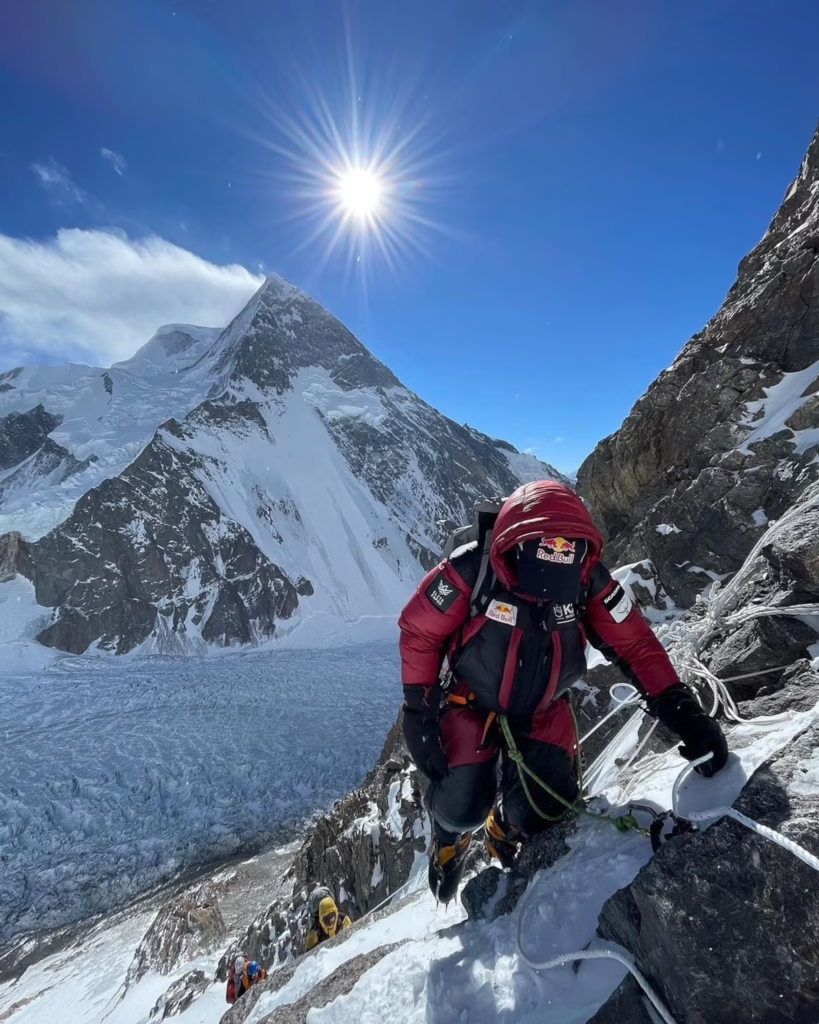
K2 is one of the most difficult and dangerous mountains in the world.
High-altitude mountaineering involves serious risks, including extreme weather, avalanches, falling ice and rock, crevasses, altitude sickness, frostbite, exhaustion, technical climbing hazards and other life-threatening situations.
Participation in this expedition does not guarantee a summit.
The decision to continue climbing, turn back or abandon a summit attempt may be made at any time for safety reasons.
Every climber must understand that reaching the summit is optional, but returning safely is essential.
Our expedition team will always prioritise the safety of climbers, guides, high-altitude workers and support staff.
| DAY | LOCATION / ACTIVITY | DETAILS |
|---|---|---|
| Day 1 | Arrival in Islamabad | Arrive in Islamabad and meet our representative. Transfer to the hotel and rest after your international journey. |
| Day 2 | Islamabad – Expedition Briefing & Preparation | Meet the expedition team, review the climbing plan, complete documentation and equipment checks, and prepare for the journey to the Karakoram. |
| Day 3 | Islamabad to Skardu | Fly to Skardu, weather permitting. Enjoy spectacular views of the Himalaya and Karakoram ranges during the flight. |
| Day 4 | Skardu – Preparation & Logistics | Finalise expedition supplies, equipment and logistics. Complete preparations for the journey towards Askole. |
| Day 5 | Skardu to Askole | Travel by 4WD jeep to Askole, one of the last permanent settlements before entering the remote Karakoram wilderness. |
| Day 6 | Askole to Jhola | Begin the approach trek towards K2, following the Braldu River through dramatic mountain landscapes. |
| Day 7 | Jhola to Paiju | Continue trekking towards Paiju, with increasingly impressive views of the Karakoram mountains. |
| Day 8 | Paiju to Khoburtse | Enter the Baltoro Glacier region and begin trekking through one of the world’s most spectacular mountain environments. |
| Day 9 | Khoburtse to Urdukas | Continue across the Baltoro Glacier towards Urdukas, enjoying views of the famous Trango Towers and surrounding peaks. |
| Day 10 | Urdukas to Goro II | Trek deeper into the Baltoro Glacier, surrounded by some of the highest and most dramatic mountains in the Karakoram. |
| Day 11 | Goro II to Concordia | Arrive at Concordia, one of the most spectacular mountain locations in the world, surrounded by several of the Karakoram’s highest peaks. |
| Day 12 | Concordia to K2 Base Camp | Trek across the Godwin-Austen Glacier and arrive at K2 Base Camp beneath the world’s second-highest mountain. |
| Day 13–15 | K2 Base Camp – Rest & Acclimatisation | Rest and begin acclimatisation. Organise climbing equipment, review the expedition strategy and prepare for the first rotation on the mountain. |
| Day 16–22 | First Acclimatisation Rotation | Begin climbing and acclimatisation rotations on K2. Spend time at higher elevations and camps before returning to Base Camp for recovery. |
| Day 23–27 | Rest & Recovery at Base Camp | Return to Base Camp for rest, recovery and preparation. The expedition team monitors weather forecasts and mountain conditions. |
| Day 28–35 | Higher Acclimatisation Rotation | Continue acclimatisation at higher elevations. Climbers make further rotations and prepare their bodies for the extreme altitude of the summit push. |
| Day 36–42 | Rest & Summit Preparation | Recover at Base Camp and prepare equipment, food and supplies for the summit attempt. The team waits for a suitable weather window. |
| Day 43–49 | K2 Summit Window | Begin the summit attempt when weather and mountain conditions are suitable. The summit push may involve several days of climbing through high-altitude camps. The schedule depends entirely on conditions. |
| Day 50–51 | Return to K2 Base Camp | Descend safely to Base Camp following the summit attempt. Rest, recover and organise equipment for the return journey. |
| Day 52 | K2 Base Camp to Concordia | Begin the return trek across the Godwin-Austen Glacier towards Concordia. |
| Day 53 | Concordia to Goro II | Continue descending along the Baltoro Glacier. |
| Day 54 | Goro II to Urdukas / Paiju | Continue the return journey through the Baltoro region. The final camp location may depend on the group’s pace and expedition schedule. |
| Day 55 | Return Towards Askole | Continue trekking towards Askole, marking the end of the remote mountain expedition. |
| Day 56–60 | Contingency, Travel & Return | Additional days are reserved for weather delays, mountain conditions, travel disruptions and expedition contingencies. The return journey continues from Askole to Skardu and Islamabad. |
This itinerary is a general expedition framework and should not be considered a fixed day-by-day schedule.
K2 is an extremely demanding high-altitude expedition, and climbing schedules depend on weather, mountain conditions, acclimatisation, route conditions and the safety of the expedition team.
Additional contingency days are essential. The expedition leadership may change the itinerary at any time when necessary for safety or operational reasons.
The summit is never guaranteed. Safety will always remain the highest priority.
Check out our departure dates of 2027, and book now
Let us arrange your transportation as part of a complete travel experience, including tours, accommodation and local travel services.
International guests travelling to Pakistan should review the current visa, permit, travel and expedition requirements before making travel arrangements.
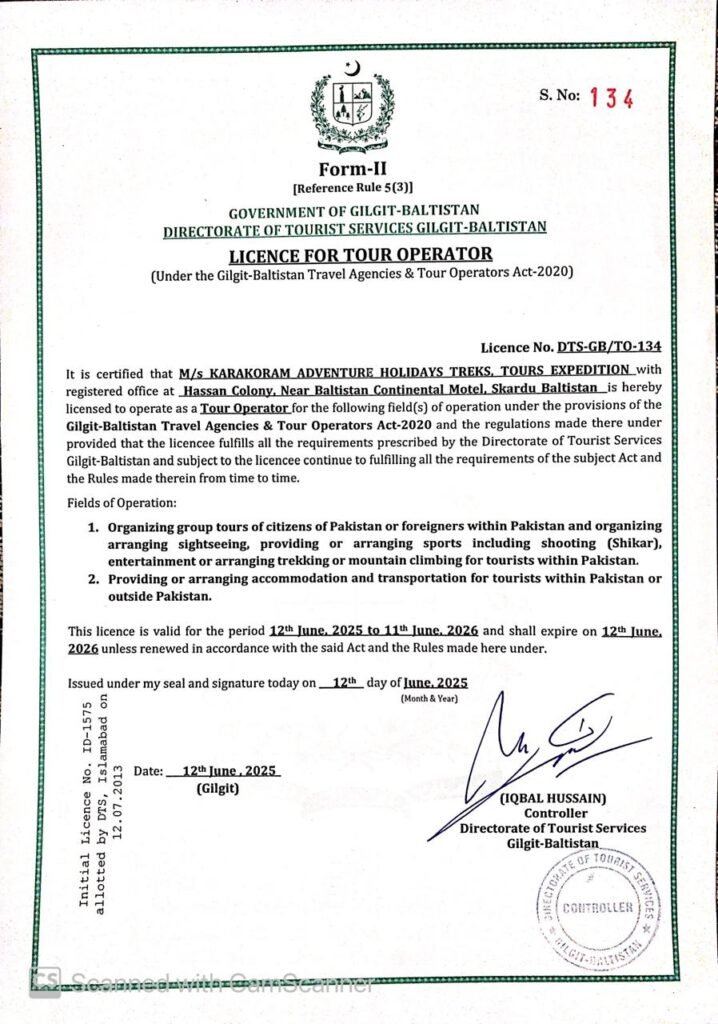
Visa requirements, mountaineering permissions, trekking regulations and government policies may change. We strongly recommend checking the latest information directly from the relevant official authorities before travelling to Pakistan or planning a mountaineering expedition.
Mountaineering expeditions in Gilgit-Baltistan are subject to applicable government regulations, permits and expedition requirements.
K2 is an 8,000-metre peak and climbing the mountain requires appropriate expedition authorisation and compliance with the requirements established by the relevant authorities.
Permit procedures, expedition fees, insurance requirements and other regulations may change.
Our team will assist with the expedition planning and administrative arrangements included in your selected expedition package. Participants may be required to provide passports, insurance information, climbing records and other documents required for the expedition application.
We recommend starting the expedition planning process well in advance of the climbing season.
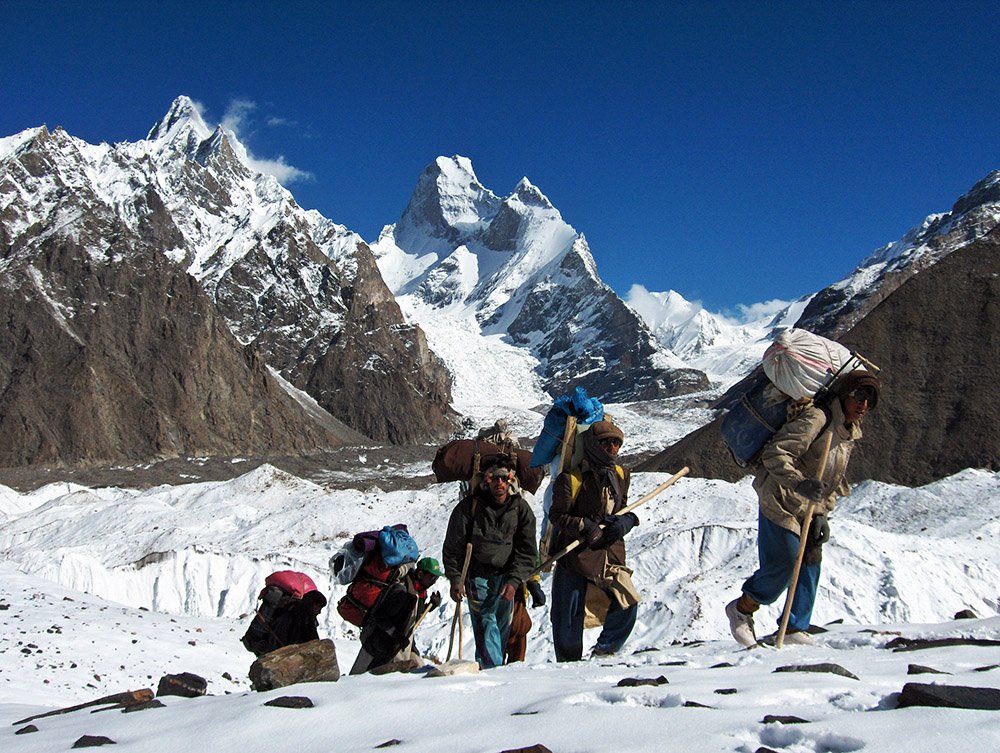
A K2 Expedition is very different from a trekking holiday.
The expedition involves several weeks in a remote mountain environment with limited facilities and changing conditions.
Expect:
• Long periods away from modern facilities
• Expedition-style camping
• Extreme cold
• High winds and changing weather
• Technical climbing
• Fixed ropes
• Snow and ice
• Glacier travel
• Long acclimatisation periods
• Rest days at Base Camp
• Difficult physical conditions
• Possible changes to the climbing schedule
• Extended waiting periods for suitable weather
• A demanding summit push at extreme altitude
The mountain determines the pace of the expedition.
Patience, flexibility and teamwork are essential.
K2 is an extremely serious mountaineering objective.
Despite careful planning, experienced guides, acclimatisation and modern expedition equipment, climbing K2 involves significant risks.
No expedition operator can guarantee:
• A successful summit
• Good weather
• Safe mountain conditions
• Helicopter evacuation
• A fixed climbing schedule
• The absence of injury or illness
Climbers must be prepared to turn back at any point if conditions are unsafe.
The decision to abandon a summit attempt may be made because of weather, altitude, health, exhaustion, technical conditions or other safety concerns.
A summit attempt is successful only if climbers return safely.
The summit is optional. Returning safely is essential.
The Karakoram is one of the world’s most remarkable mountain environments.
We encourage all expedition members to respect the natural environment and minimise their impact throughout the journey.
Participants must bring appropriate personal clothing and equipment suitable for the selected expedition and expected mountain conditions.
Need Help?
International participants travelling to Pakistan for an expedition, trek or mountain adventure should carefully review the relevant travel, visa, insurance and expedition requirements before making final travel arrangements.
Mountain travel in Pakistan involves remote regions, changing weather conditions and specialised logistical arrangements. Requirements may vary depending on nationality, destination and the nature of the planned activity.
The following information provides general guidance for international participants.
International visitors travelling to Pakistan should ensure that they have a valid passport and meet the applicable entry requirements for their nationality.
Visa and entry requirements may change from time to time. Participants are responsible for checking the latest official requirements before making travel arrangements.
Karakoram Holidays may provide appropriate supporting documentation where applicable for confirmed participants. However, visa decisions and entry permissions remain the responsibility of the relevant government authorities.
We recommend beginning the visa process well in advance of your planned departure.
Certain trekking and mountaineering activities in Pakistan may require official permissions, permits or other documentation.
Requirements may vary depending on:
• The destination
• The selected mountain or trekking region
• The type of activity
• The nationality of the participant
• Government regulations
• The specific expedition programme
High-altitude mountaineering expeditions may involve additional permits, government fees and administrative requirements.
Karakoram Holidays will provide appropriate guidance regarding expedition-related arrangements. However, participants are responsible for ensuring that they understand and comply with applicable official regulations.
International participants normally begin their journey by travelling to Pakistan’s main international airports.
Depending on the selected expedition or programme, the journey may continue by domestic flight or road transportation towards the mountain region.
Many expeditions in northern Pakistan involve travel through remote areas where weather, road conditions and flight operations can affect the schedule.
Domestic flights, particularly flights to mountain regions, may be affected by weather conditions.
Road travel may also be affected by:
• Weather
• Landslides
• Road closures
• Traffic conditions
• Seasonal conditions
• Other operational factors
Participants should maintain flexibility when arranging their international travel and avoid scheduling tightly connected international flights immediately after the planned expedition.
Additional days may occasionally be required because of travel delays.
Participants are responsible for obtaining appropriate insurance for their selected activity.
Standard travel insurance may not provide sufficient coverage for trekking, mountaineering or high-altitude activities.
Depending on the selected programme, appropriate insurance may include coverage for:
• Emergency medical treatment
• Personal accidents
• Search and rescue
• Emergency evacuation
• High-altitude trekking
• High-altitude mountaineering
• Helicopter evacuation where available
• Trip interruption
• Trip cancellation
• Repatriation
Participants must carefully check the terms and limitations of their insurance policy.
For high-altitude expeditions, the insurance policy should specifically cover the intended mountaineering activity and appropriate altitude.
The specific insurance requirements for each mountain may be provided on the relevant expedition page.
Participants are responsible for arriving with appropriate personal clothing and equipment suitable for their selected expedition or trekking programme.
Mountain conditions can vary significantly depending on:
• Altitude
• Weather
• Temperature
• Season
• Terrain
• Snow and ice conditions
High-altitude expeditions require specialised clothing and mountaineering equipment.
Participants should carefully review the equipment requirements for their selected expedition before travelling.
A detailed equipment list may be provided during the preparation and booking process.
Participants are responsible for ensuring that their personal equipment is appropriate, functional and suitable for the planned activity.
High-altitude mountaineering and trekking require careful physical and mental preparation.
Participants should prepare appropriately before joining an expedition.
Preparation may include:
• Physical fitness training
• Endurance training
• Strength training
• Previous trekking or climbing experience
• Technical mountaineering training
• Acclimatisation planning
• Equipment preparation
The experience and fitness requirements vary depending on the selected mountain.
Participants should carefully review the requirements of their chosen expedition.
For major mountaineering expeditions, previous high-altitude and technical climbing experience may be required.
Participants should plan for personal expenses that may not be included in the selected expedition package.
Depending on the programme, personal expenses may include:
• International flights
• Visa costs
• Travel insurance
• Personal equipment
• Additional hotel nights
• Meals not included in the programme
• Personal purchases
• Tips
• Communication expenses
• Additional transportation
• Costs caused by unexpected delays
• Other personal expenses
Participants should maintain sufficient financial flexibility during their journey.
Unexpected weather or travel delays may occasionally result in additional expenses.
Pakistan uses the Pakistani Rupee (PKR).
Access to banking and payment facilities may be limited in remote mountain regions.
International participants are advised to make appropriate financial arrangements before travelling towards remote areas.
Cash may be required for certain personal expenses.
Participants should discuss any questions regarding expedition payments and included services with Karakoram Holidays before confirming their booking.
Mobile and internet coverage may be limited or unavailable in remote mountain regions.
Communication services may vary by location and selected expedition.
Participants should not expect reliable mobile or internet access during all stages of a mountain expedition.
Communication arrangements at Base Camp and other remote locations may depend on the available facilities and services.
Participants should inform family members that communication may be limited at certain points during the journey.
Participants are responsible for ensuring that they are physically prepared for their selected activity.
Participants should provide accurate information regarding relevant experience, fitness and any information necessary for safe expedition planning.
High-altitude environments can place significant physical demands on the human body.
Participants must follow reasonable safety instructions provided by expedition leaders, guides and authorised team members.
If a participant is considered unable to continue safely, the expedition team may recommend or require changes to their participation.
Safety decisions made during an expedition must be respected.
The Karakoram, the Himalaya, and other mountain regions of Pakistan are environmentally and culturally important.
We encourage participants to respect:
• Local communities
• Local traditions
• Mountain environments
• Glaciers
• Wildlife
• Cultural sites
Participants should minimise unnecessary waste and follow responsible travel practices throughout the journey.
We believe that responsible tourism and mountaineering play an important role in protecting Pakistan’s mountain environments for future generations.
The requirements, regulations and logistical arrangements for each expedition may vary.
Participants should carefully review the specific information provided for their selected mountain or programme.
Government regulations, visa requirements, permits and travel conditions may change.
The information provided by Karakoram Holidays is intended as general guidance. Participants are encouraged to confirm their current requirements with the relevant official authorities before travelling.