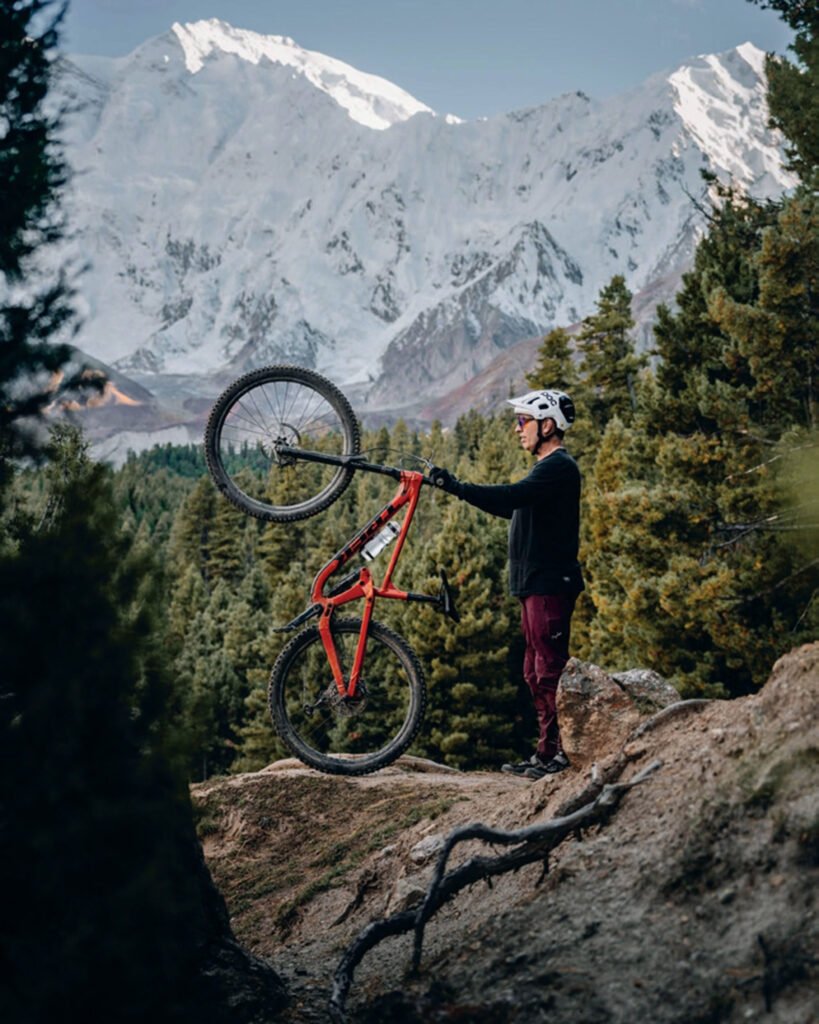
Experience Gilgit-Baltistan from the saddle as you cycle through some of the most spectacular mountain landscapes in Pakistan. From the legendary Karakoram Highway and the mighty Indus River to the high-altitude wilderness of Deosai, the valleys of Astore and Gilgit, and the dramatic peaks of Hunza, this is a journey where the road itself becomes the adventure.
Unlike a conventional sightseeing tour, cycling allows you to experience the mountains at a completely different pace. Feel the changing landscape beneath your wheels, stop in remote villages, meet local communities, cross dramatic mountain roads, and enjoy views that simply cannot be experienced from a vehicle.
Whether you choose to cycle all the way from Islamabad along the Karakoram Highway or begin your adventure in Skardu and complete a spectacular circular route through Deosai, Astore, Gilgit and Hunza, this journey can be designed around your cycling ability, available time and preferred level of adventure.
Duration: 10 Days / 9 Nights
Destination: Gilgit-Baltistan, Pakistan
Tour Type: Scenic & Cultural Tour
Best Season: September – November
Starting Point: Islamabad
End Point: Islamabad
Difficulty Level: Easy to Moderate
Suitable For: Couples, Families, Friends, Photographers & Nature Lovers
This is an adventure cycling journey through a rugged and mountainous region. Riders should be prepared for long cycling days, significant elevation changes, steep climbs and descents, variable road surfaces and rapidly changing weather conditions.
Some sections may be physically demanding, while others allow a more relaxed pace. A support vehicle can be arranged for luggage, equipment and emergency assistance, allowing cyclists to focus on the ride.
The journey is not only about reaching the next destination. You’ll have opportunities to stop for photos, interact with local communities, enjoy traditional meals, and take in the changing landscapes along the route.
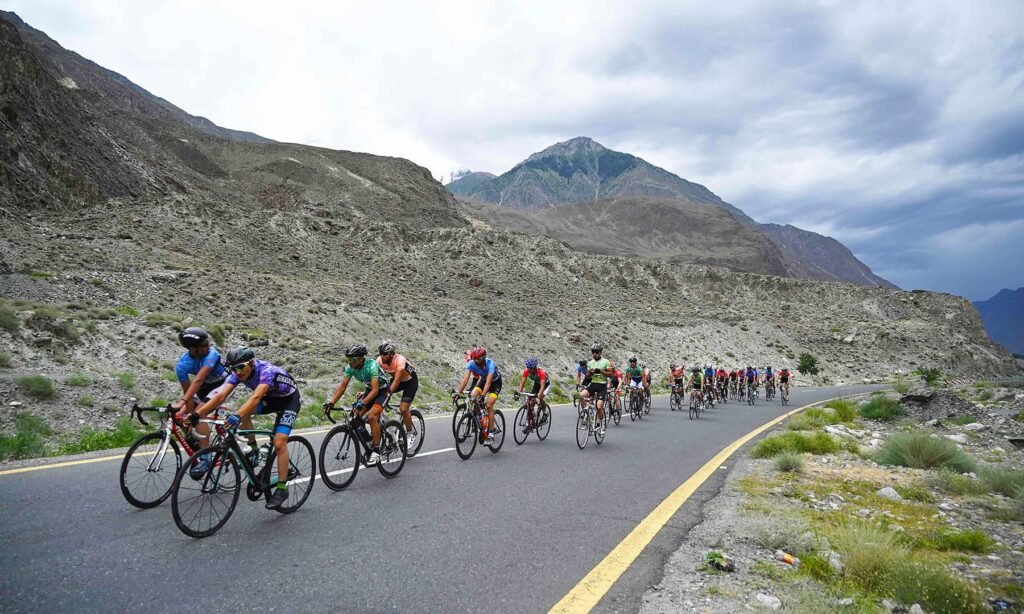
Cycling through the Karakoram is more than a sporting challenge—it is a way to experience the mountains intimately. Every climb reveals a new landscape, every descent brings a different perspective, and every village offers an opportunity to experience the local way of life.
The journey takes you through landscapes that change dramatically from valley floors and rivers to high-altitude plateaus and towering mountain passes. Instead of simply passing through these places by vehicle, you become part of the landscape itself.
For experienced cyclists, the route offers a genuine endurance challenge. For adventure travellers, it provides an extraordinary way to discover northern Pakistan. And for photographers and nature lovers, the slow pace of cycling creates countless opportunities to stop, explore and appreciate the scenery.
This is a journey where the destination matters—but the road is the real experience.
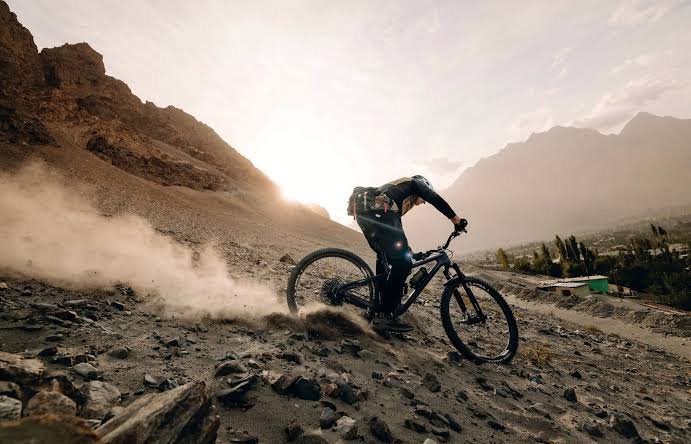
Participants may bring their own bicycle or discuss bicycle arrangements with our team in advance.
A support vehicle can accompany the group depending on the selected package and route. It can assist with luggage, spare equipment, refreshments and emergency support.
We recommend appropriate mountain or touring bicycles suitable for paved roads, rough sections and changing terrain. We can discuss final bicycle specifications when confirming the tour.
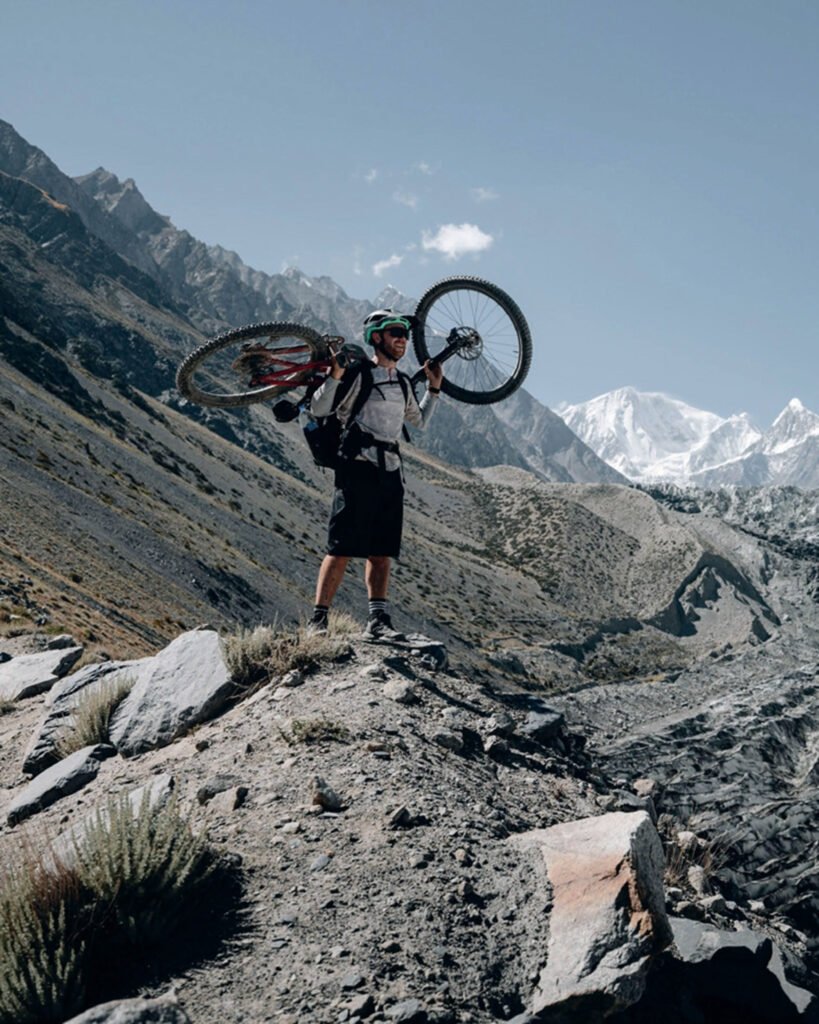
The tour can be customized for different levels of experienced cyclists, but participants should have a reasonable level of cardiovascular fitness and be comfortable cycling for several hours in a day.
The Islamabad–Gilgit-Baltistan option is recommended for experienced long-distance cyclists because of its greater distance and endurance requirements.
The Skardu–Deosai–Astore–Gilgit–Hunza circuit is also demanding because of altitude and significant climbs, particularly around Deosai. The itinerary can include rest days and shorter riding stages based on the group’s ability.
For cyclists choosing the Islamabad start, the journey can be structured around the following route:
| Stage | Route | Experience |
|---|---|---|
| Stage 1 | Islamabad – Abbottabad | Begin the northbound cycling journey and gradually enter the mountain region. |
| Stage 2 | Abbottabad – Besham | Ride deeper into the northern mountain landscape and follow sections of the Karakoram Highway. |
| Stage 3 | Besham – Chilas | Continue through dramatic valleys and along the Indus River. |
| Stage 4 | Chilas – Gilgit | Enter Gilgit-Baltistan and experience increasingly dramatic Karakoram scenery. |
| Stage 5 | Gilgit – Hunza | Cycle through spectacular mountain valleys towards Hunza. |
| Stage 6 onward | Hunza & Extended Routes | Explore Hunza and continue towards additional destinations according to the chosen expedition plan. |
Duration: Flexible — normally 12–18+ days, depending on the selected route, daily cycling distance, rest days and fitness level.
| Day | Route | Highlights | Overnight |
|---|---|---|---|
| Day 1 | Arrival in Skardu | Arrive in Skardu, meet the team, prepare bicycles and complete a briefing. Depending on your arrival time, explore Skardu town and the surrounding area. | Skardu |
| Day 2 | Skardu – Deosai | Begin cycling towards the high-altitude Deosai Plateau. The route gradually climbs into dramatic mountain wilderness with spectacular views across Baltistan. | Deosai |
| Day 3 | Deosai Exploration | Spend the day cycling through the vast landscapes of Deosai, with opportunities to explore Sheosar Lake and surrounding high-altitude scenery, subject to seasonal access. | Deosai |
| Day 4 | Deosai – Astore | Descend from the plateau towards Astore through changing mountain landscapes and remote valleys. | Astore |
| Day 5 | Astore Valley | Explore the beautiful Astore region by bicycle, with mountain villages, forests, rivers and surrounding peaks. | Astore |
| Day 6 | Astore – Gilgit | Continue towards Gilgit through spectacular mountain terrain and along the river valleys of the region. | Gilgit |
| Day 7 | Gilgit | Rest and explore Gilgit. Optional local cycling routes and cultural exploration can be arranged according to the group’s energy and interests. | Gilgit |
| Day 8 | Gilgit – Hunza | Cycle towards Hunza following the spectacular mountain roads through the Karakoram landscape. | Hunza |
| Day 9 | Hunza Valley | Explore Hunza by bicycle, including traditional villages, viewpoints and selected cultural attractions around Karimabad and the surrounding valley. | Hunza |
| Day 10 | Upper Hunza | Ride towards the spectacular landscapes of Attabad, Gulmit and Passu, with dramatic mountain scenery throughout the route. | Hunza |
| Day 11 | Hunza – Gilgit | Begin the return journey towards Gilgit, enjoying the mountain landscapes from a completely different perspective. | Gilgit |
| Day 12 | Gilgit – Baltistan Highway | Begin the journey back towards Baltistan, following the spectacular route through the Indus Valley and surrounding mountains. | En route |
| Day 13 | Baltistan Highway – Skardu | Continue cycling towards Skardu through dramatic mountain landscapes and river valleys. | Skardu |
| Day 14 | Skardu & Departure | Depending on the departure schedule, enjoy a final morning in Skardu before onward travel. | — |
Suggested Duration: 14 Days / 13 Nights
The itinerary can be shortened, extended or customized according to cycling ability, season, road conditions and the preferred number of rest days.
Check out our departure dates of 2027, and book now
Let us arrange your transportation as part of a complete travel experience, including tours, accommodation and local travel services.
This adventure is particularly suitable for:
Participants should be comfortable with extended periods of cycling and be prepared for mountain terrain, elevation and changing weather.
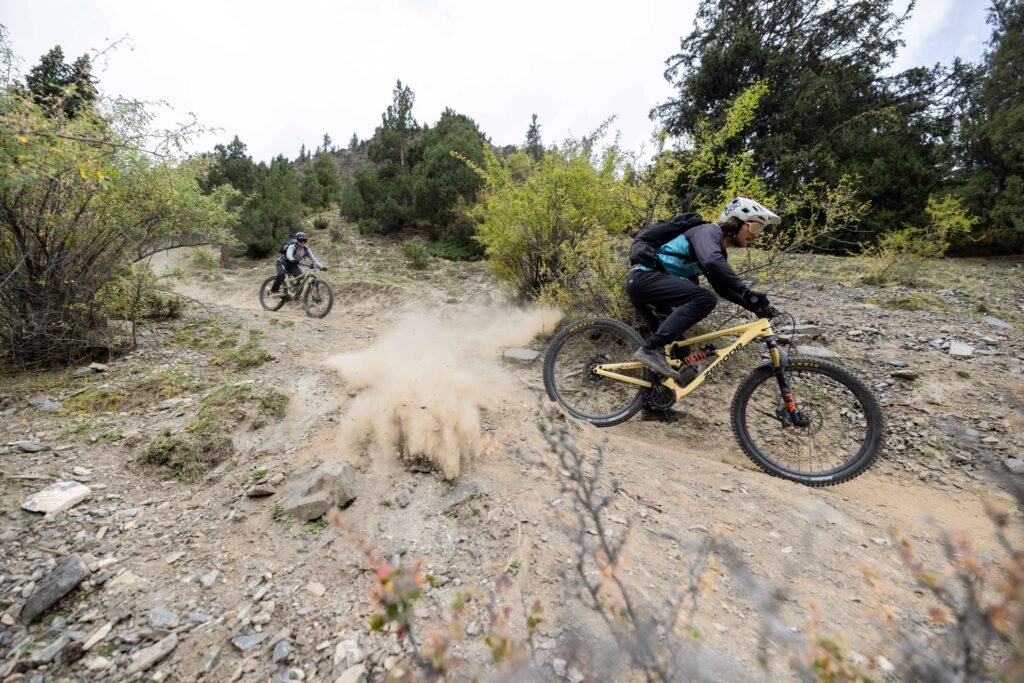
Pakistan is a welcoming country with a rich history, diverse cultures and some of the world’s most spectacular mountain landscapes.
For international visitors, Gilgit-Baltistan offers an opportunity to experience a part of Pakistan that remains relatively untouched by mass tourism.
International guests travelling to Pakistan should review the current visa, permit, travel and expedition requirements before making travel arrangements.
Visa requirements, trekking regulations and government policies may change. We strongly recommend checking the latest information directly from the relevant official authorities before travelling to Pakistan or planning a mountaineering expedition.
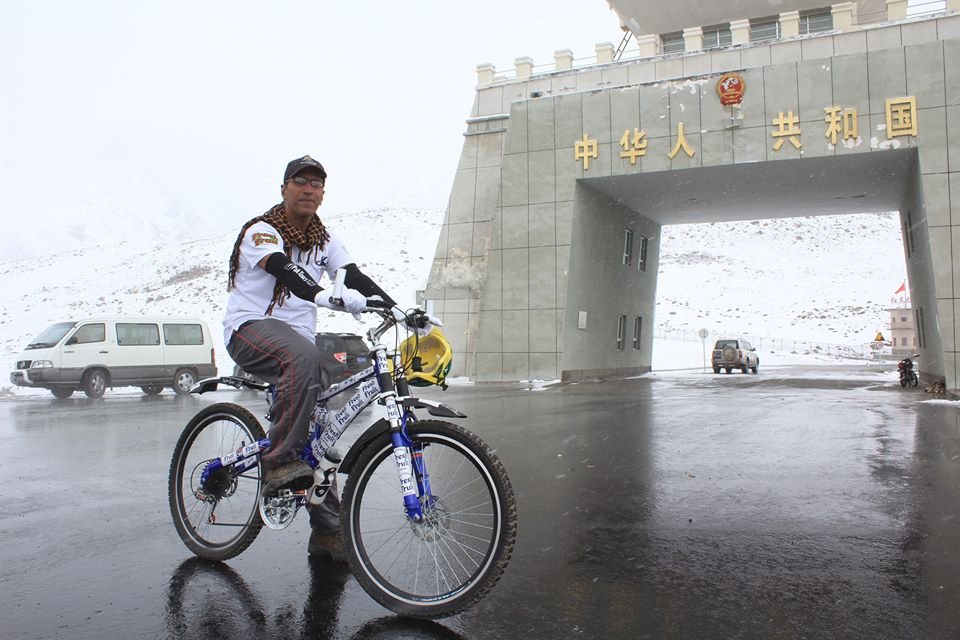
The best period for a cycling journey through Gilgit-Baltistan depends on the selected route and seasonal road access.
The Deosai section is particularly seasonal because of its high elevation and winter snowfall. Routes and access should therefore be confirmed before departure.
Weather can change rapidly in the mountains, with significant differences between valleys and high-altitude areas. We recommend cyclists bring appropriate clothing for both warm daytime conditions and cold mornings and evenings.
We will finalise the exact departure period and route based on seasonal road conditions and accessibility.
Need Help?
International participants travelling to Pakistan for an expedition, trek or mountain adventure should carefully review the relevant travel, visa, insurance and expedition requirements before making final travel arrangements.
Mountain travel in Pakistan involves remote regions, changing weather conditions and specialised logistical arrangements. Requirements may vary depending on nationality, destination and the nature of the planned activity.
The following information provides general guidance for international participants.
International visitors travelling to Pakistan should ensure that they have a valid passport and meet the applicable entry requirements for their nationality.
Visa and entry requirements may change from time to time. Participants are responsible for checking the latest official requirements before making travel arrangements.
Karakoram Holidays may provide appropriate supporting documentation where applicable for confirmed participants. However, visa decisions and entry permissions remain the responsibility of the relevant government authorities.
We recommend beginning the visa process well in advance of your planned departure.
Certain trekking and mountaineering activities in Pakistan may require official permissions, permits or other documentation.
Requirements may vary depending on:
• The destination
• The selected mountain or trekking region
• The type of activity
• The nationality of the participant
• Government regulations
• The specific expedition programme
High-altitude mountaineering expeditions may involve additional permits, government fees and administrative requirements.
Karakoram Holidays will provide appropriate guidance regarding expedition-related arrangements. However, participants are responsible for ensuring that they understand and comply with applicable official regulations.
International participants normally begin their journey by travelling to Pakistan’s main international airports.
Depending on the selected expedition or programme, the journey may continue by domestic flight or road transportation towards the mountain region.
Many expeditions in northern Pakistan involve travel through remote areas where weather, road conditions and flight operations can affect the schedule.
Domestic flights, particularly flights to mountain regions, may be affected by weather conditions.
Road travel may also be affected by:
• Weather
• Landslides
• Road closures
• Traffic conditions
• Seasonal conditions
• Other operational factors
Participants should maintain flexibility when arranging their international travel and avoid scheduling tightly connected international flights immediately after the planned expedition.
Additional days may occasionally be required because of travel delays.
Participants are responsible for obtaining appropriate insurance for their selected activity.
Standard travel insurance may not provide sufficient coverage for trekking, mountaineering or high-altitude activities.
Depending on the selected programme, appropriate insurance may include coverage for:
• Emergency medical treatment
• Personal accidents
• Search and rescue
• Emergency evacuation
• High-altitude trekking
• High-altitude mountaineering
• Helicopter evacuation where available
• Trip interruption
• Trip cancellation
• Repatriation
Participants must carefully check the terms and limitations of their insurance policy.
For high-altitude expeditions, the insurance policy should specifically cover the intended mountaineering activity and appropriate altitude.
The specific insurance requirements for each mountain may be provided on the relevant expedition page.
Participants are responsible for arriving with appropriate personal clothing and equipment suitable for their selected expedition or trekking programme.
Mountain conditions can vary significantly depending on:
• Altitude
• Weather
• Temperature
• Season
• Terrain
• Snow and ice conditions
High-altitude expeditions require specialised clothing and mountaineering equipment.
Participants should carefully review the equipment requirements for their selected expedition before travelling.
A detailed equipment list may be provided during the preparation and booking process.
Participants are responsible for ensuring that their personal equipment is appropriate, functional and suitable for the planned activity.
High-altitude mountaineering and trekking require careful physical and mental preparation.
Participants should prepare appropriately before joining an expedition.
Preparation may include:
• Physical fitness training
• Endurance training
• Strength training
• Previous trekking or climbing experience
• Technical mountaineering training
• Acclimatisation planning
• Equipment preparation
The experience and fitness requirements vary depending on the selected mountain.
Participants should carefully review the requirements of their chosen expedition.
For major mountaineering expeditions, previous high-altitude and technical climbing experience may be required.
Participants should plan for personal expenses that may not be included in the selected expedition package.
Depending on the programme, personal expenses may include:
• International flights
• Visa costs
• Travel insurance
• Personal equipment
• Additional hotel nights
• Meals not included in the programme
• Personal purchases
• Tips
• Communication expenses
• Additional transportation
• Costs caused by unexpected delays
• Other personal expenses
Participants should maintain sufficient financial flexibility during their journey.
Unexpected weather or travel delays may occasionally result in additional expenses.
Pakistan uses the Pakistani Rupee (PKR).
Access to banking and payment facilities may be limited in remote mountain regions.
International participants are advised to make appropriate financial arrangements before travelling towards remote areas.
Cash may be required for certain personal expenses.
Participants should discuss any questions regarding expedition payments and included services with Karakoram Holidays before confirming their booking.
Mobile and internet coverage may be limited or unavailable in remote mountain regions.
Communication services may vary by location and selected expedition.
Participants should not expect reliable mobile or internet access during all stages of a mountain expedition.
Communication arrangements at Base Camp and other remote locations may depend on the available facilities and services.
Participants should inform family members that communication may be limited at certain points during the journey.
Participants are responsible for ensuring that they are physically prepared for their selected activity.
Participants should provide accurate information regarding relevant experience, fitness and any information necessary for safe expedition planning.
High-altitude environments can place significant physical demands on the human body.
Participants must follow reasonable safety instructions provided by expedition leaders, guides and authorised team members.
If a participant is considered unable to continue safely, the expedition team may recommend or require changes to their participation.
Safety decisions made during an expedition must be respected.
The Karakoram, the Himalaya, and other mountain regions of Pakistan are environmentally and culturally important.
We encourage participants to respect:
• Local communities
• Local traditions
• Mountain environments
• Glaciers
• Wildlife
• Cultural sites
Participants should minimise unnecessary waste and follow responsible travel practices throughout the journey.
We believe that responsible tourism and mountaineering play an important role in protecting Pakistan’s mountain environments for future generations.
The requirements, regulations and logistical arrangements for each expedition may vary.
Participants should carefully review the specific information provided for their selected mountain or programme.
Government regulations, visa requirements, permits and travel conditions may change.
The information provided by Karakoram Holidays is intended as general guidance. Participants are encouraged to confirm their current requirements with the relevant official authorities before travelling.