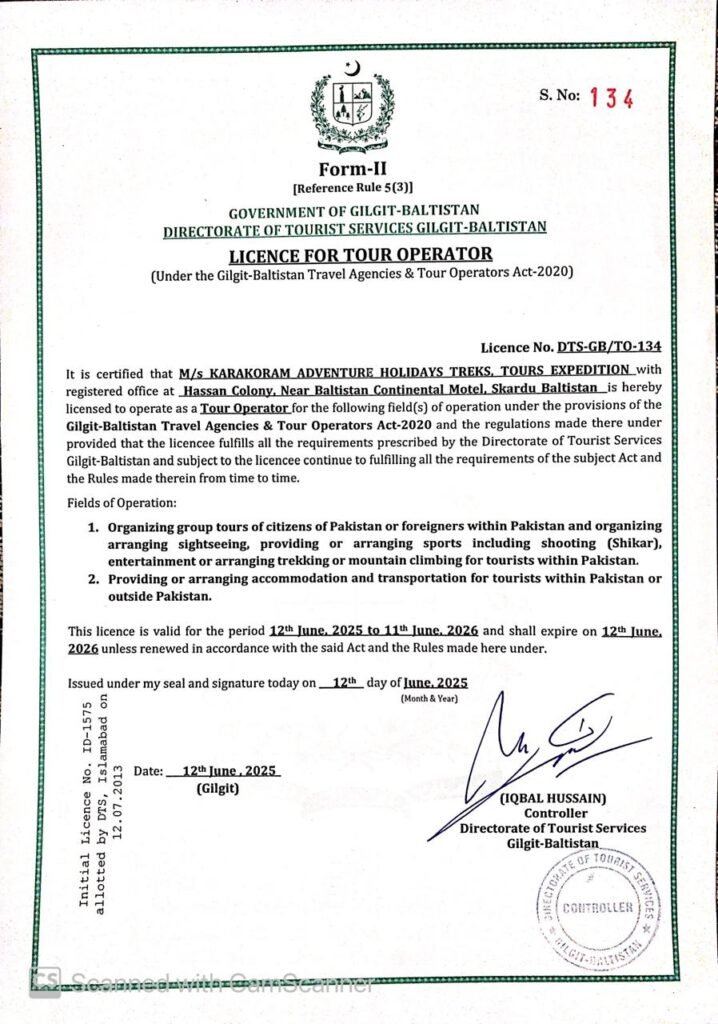
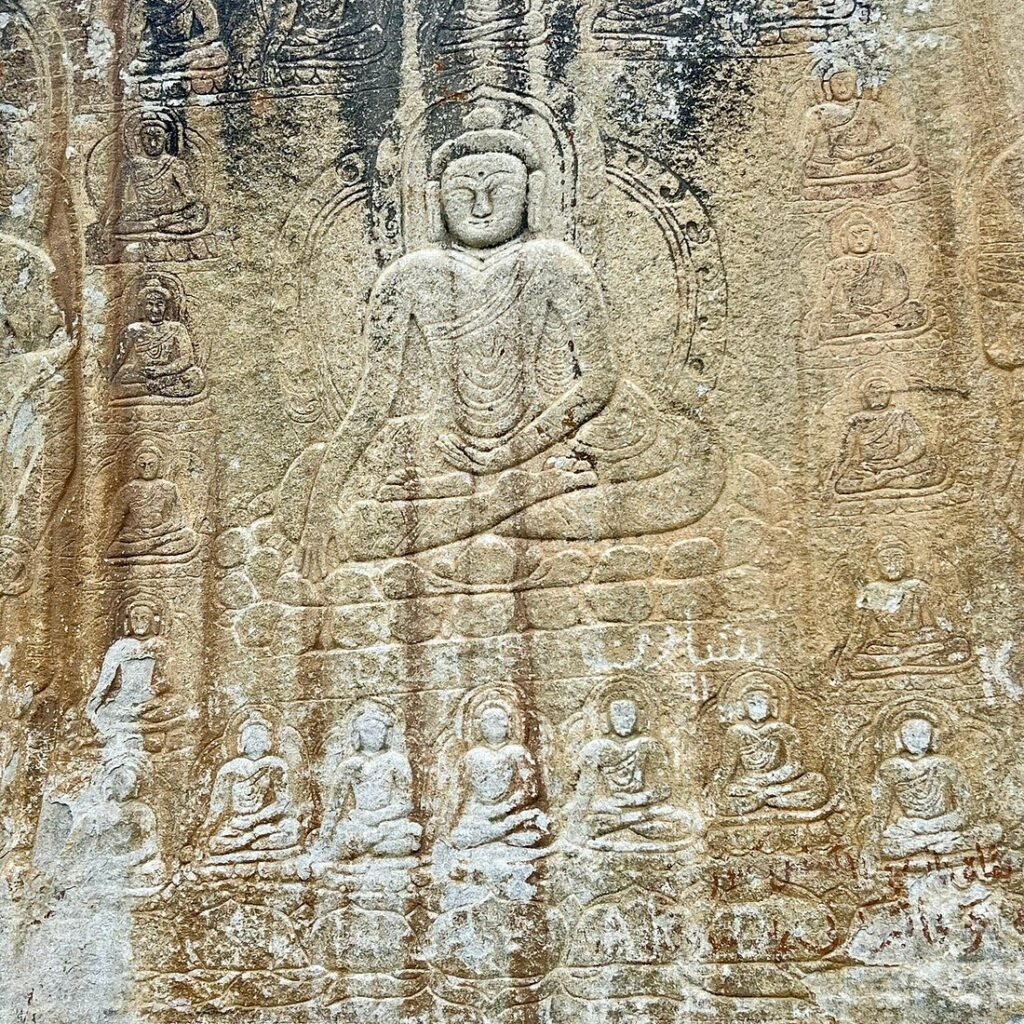
Travel through the historic landscapes of Pakistan and discover the remarkable legacy of Gandhara Buddhism, one of the most important Buddhist cultural regions of the ancient world. From the archaeological treasures of Taxila to the monasteries of Takht-i-Bahi, the ancient sites of Peshawar and the Buddhist heritage of the Swat Valley, this journey explores the places where Buddhism, art, scholarship and trade flourished along the ancient routes of South and Central Asia.
This carefully designed journey combines archaeology, history, culture, art and mountain landscapes, offering a deeper understanding of Pakistan’s Buddhist heritage while introducing travellers to the communities and landscapes of modern Pakistan.
The Buddhist Heritage Journey can be arranged during much of the year, but spring and autumn generally offer comfortable conditions for exploring the archaeological sites and travelling through the northern regions.
For journeys that include Gilgit-Baltistan, the final travel period should be selected according to the specific destinations included and seasonal road and weather conditions.
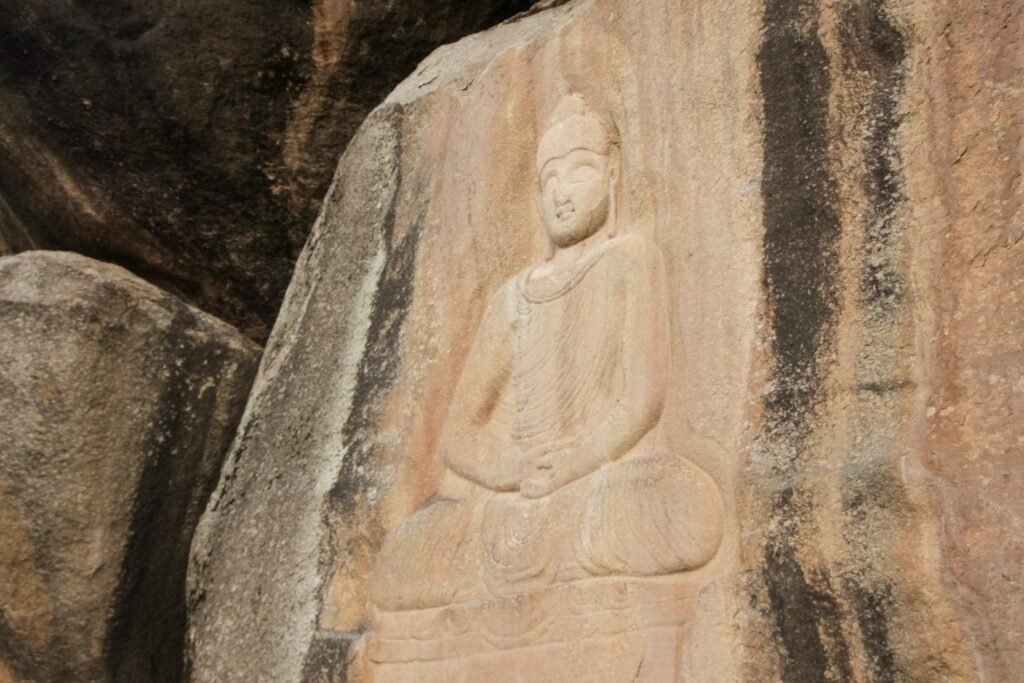
From the ancient universities and monasteries of Taxila and Gandhara to the Buddhist heritage of Swat and the ancient rock carvings of the Karakoram, this journey reveals a fascinating chapter of Pakistan’s history.
Walk among ruins where monks once studied, discover sculptures that transformed Buddhist art, and travel along mountain routes that connected distant civilisations.
This is more than a sightseeing tour — it is a journey through the history, culture and landscapes of an ancient crossroads of Asia.
Pakistan’s archaeological and mountain regions can experience changing weather, road conditions and local circumstances. Domestic flights to northern Pakistan are also subject to weather conditions.
The exact sequence of visits may therefore be adjusted when necessary to ensure the safety, comfort and overall experience of our guests. Where a particular site becomes temporarily inaccessible, our local team will provide the best available alternative
| Day | Destination / Route | Main Attractions & Experiences | Overnight |
|---|---|---|---|
| Day 1 | Arrival in Islamabad | Airport reception, hotel check-in, Islamabad orientation & optional city sightseeing | Islamabad |
| Day 2 | Islamabad → Taxila | Taxila Museum, Dharmarajika Stupa, ancient Gandharan ruins & archaeological sites | Islamabad |
| Day 3 | Taxila Heritage | Jaulian Monastery, Mohra Moradu, Sirkap & further exploration of ancient Taxila | Islamabad |
| Day 4 | Islamabad → Peshawar | Journey to historic Peshawar, Peshawar Museum, Gandharan art & old city | Peshawar |
| Day 5 | Peshawar Heritage | Historic bazaars, Mahabat Khan Mosque, Bala Hisar area & Gandhara cultural heritage | Peshawar |
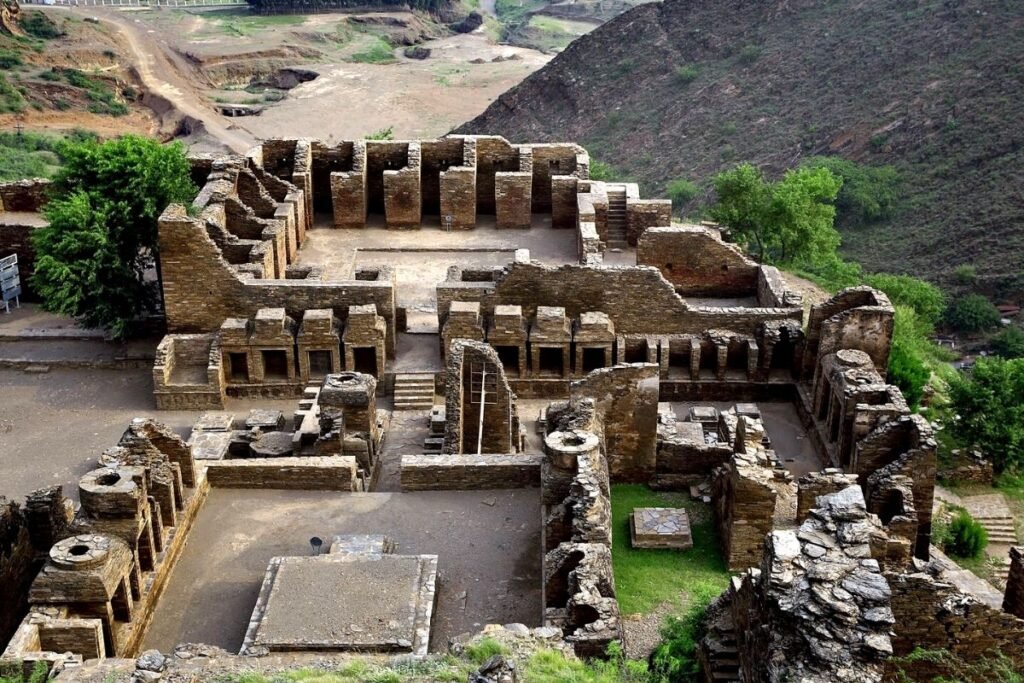
| Day 6 | Peshawar → Takht-i-Bahi → Swat | UNESCO-listed Takht-i-Bahi Buddhist monastery, ancient ruins & scenic drive to Swat | Swat |
| Day 7 | Swat Buddhist Heritage | Butkara Stupa, Swat Museum, ancient Buddhist sites & Gandharan archaeological remains | Swat |
| Day 8 | Swat Valley | Buddhist stupas, rock carvings, ancient settlements & cultural exploration around the valley | Swat |
| Day 9 | Swat → Islamabad | Scenic journey from Swat Valley to Islamabad | Islamabad |
| Day 10 | Islamabad → Gilgit | Domestic flight or road journey to Gilgit, spectacular Karakoram landscapes | Gilgit |
| Day 11 | Gilgit Heritage | Ancient rock carvings, inscriptions, archaeological remains & historic Karakoram routes | Gilgit |
| Day 12 | Gilgit → Hunza | Karakoram Highway, ancient rock art, scenic mountain valleys & arrival in Hunza | Hunza |
| Day 13 | Hunza Heritage | Ganish Village, Baltit Fort, traditional settlements & ancient cultural routes | Hunza |
| Day 14 | Hunza → Gilgit | Scenic drive through the Karakoram, local villages, photography & cultural experiences | Gilgit |
| Day 15 | Gilgit → Islamabad | Return flight to Islamabad, subject to weather and flight operations | Islamabad |
| Day 16 | Departure | Transfer to Islamabad International Airport for onward journey | — |
Please Note: This is a tentative itinerary and may be adjusted according to weather, road conditions, flight schedules, site accessibility, and local circumstances. The exact archaeological sites visited may vary depending on access and operational conditions. Private and customized departures can also be arranged.
Check out our departure dates of 2027, and book now
Let us arrange your transportation as part of a complete travel experience, including tours, accommodation and local travel services.
This journey is ideal for history enthusiasts, Buddhist travellers, archaeologists, photographers, researchers, students and culturally curious travellers. No trekking experience is required. A reasonable level of fitness is recommended because some archaeological sites involve walking over uneven ground, steps and open terrain.
Pakistan is a welcoming country with a rich history, diverse cultures and some of the world’s most spectacular mountain landscapes.
For international visitors, Gilgit-Baltistan offers an opportunity to experience a part of Pakistan that remains relatively untouched by mass tourism.
International guests travelling to Pakistan should review the current visa, permit, travel and expedition requirements before making travel arrangements.
Visa requirements, trekking regulations and government policies may change. We strongly recommend checking the latest information directly from the relevant official authorities before travelling to Pakistan or planning a mountaineering expedition.
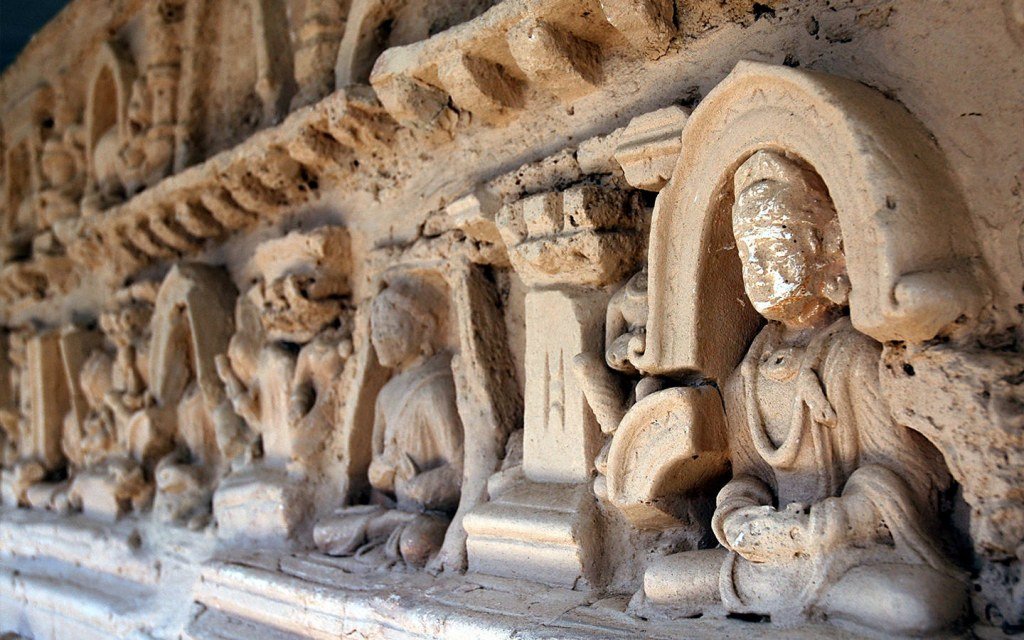
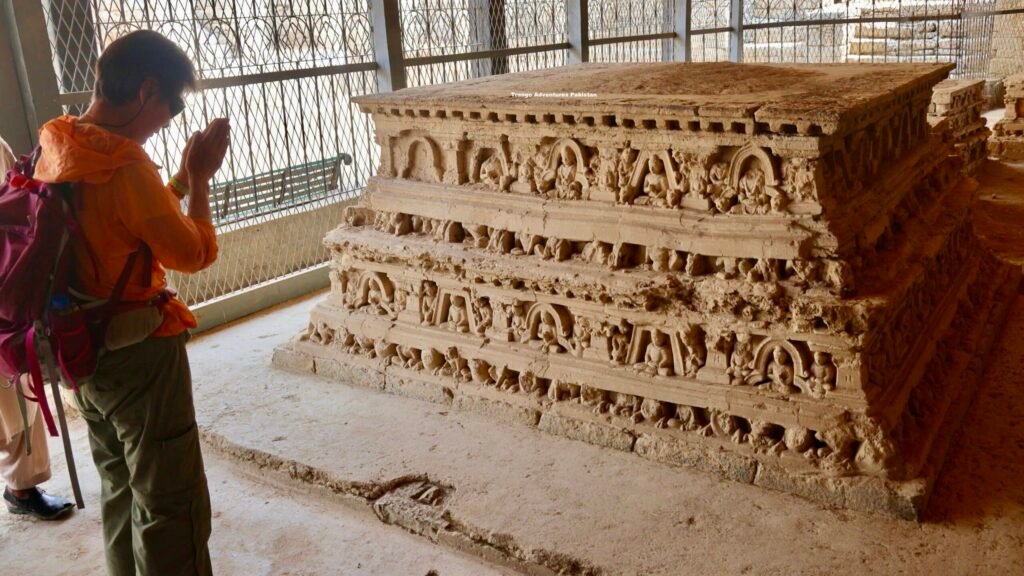
Expect a journey combining ancient history, archaeology, spirituality, art and spectacular landscapes. You will visit archaeological sites, museums, monasteries, stupas and historic cities while travelling through some of Pakistan’s most scenic regions. The journey is educational and cultural, with opportunities to learn about Gandhara civilisation and the development of Buddhism across the region.
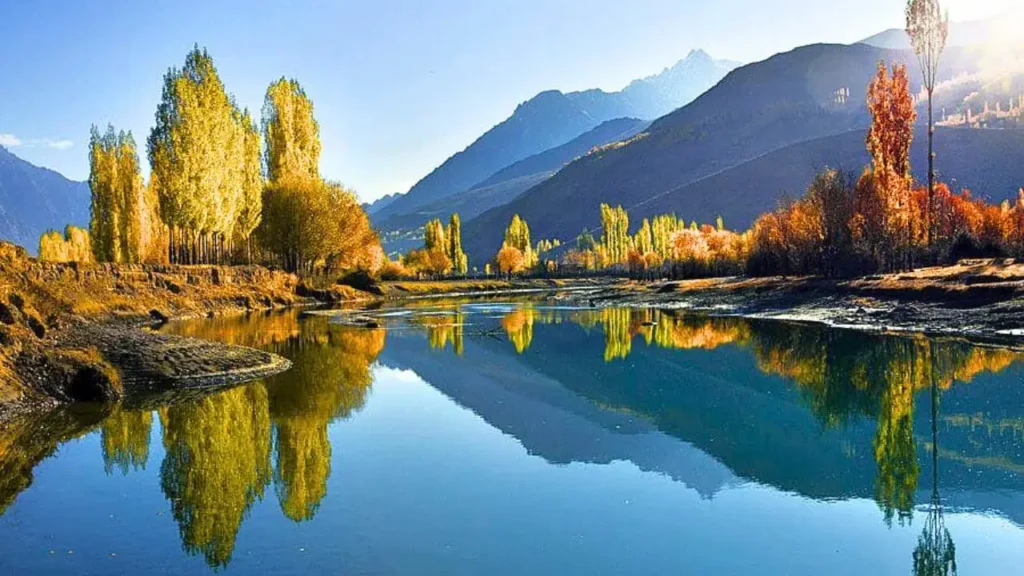
The journey involves a mixture of city sightseeing, archaeological exploration and long scenic road journeys. Roads are generally accessible by vehicle, although some mountain sections can be winding and travel times may vary. Archaeological sites may have uneven paths, steps and exposed areas, so comfortable walking shoes are recommended.
Need Help?
International participants travelling to Pakistan for an expedition, trek or mountain adventure should carefully review the relevant travel, visa, insurance and expedition requirements before making final travel arrangements.
Mountain travel in Pakistan involves remote regions, changing weather conditions and specialised logistical arrangements. Requirements may vary depending on nationality, destination and the nature of the planned activity.
The following information provides general guidance for international participants.
International visitors travelling to Pakistan should ensure that they have a valid passport and meet the applicable entry requirements for their nationality.
Visa and entry requirements may change from time to time. Participants are responsible for checking the latest official requirements before making travel arrangements.
Karakoram Holidays may provide appropriate supporting documentation where applicable for confirmed participants. However, visa decisions and entry permissions remain the responsibility of the relevant government authorities.
We recommend beginning the visa process well in advance of your planned departure.
Certain trekking and mountaineering activities in Pakistan may require official permissions, permits or other documentation.
Requirements may vary depending on:
• The destination
• The selected mountain or trekking region
• The type of activity
• The nationality of the participant
• Government regulations
• The specific expedition programme
High-altitude mountaineering expeditions may involve additional permits, government fees and administrative requirements.
Karakoram Holidays will provide appropriate guidance regarding expedition-related arrangements. However, participants are responsible for ensuring that they understand and comply with applicable official regulations.
International participants normally begin their journey by travelling to Pakistan’s main international airports.
Depending on the selected expedition or programme, the journey may continue by domestic flight or road transportation towards the mountain region.
Many expeditions in northern Pakistan involve travel through remote areas where weather, road conditions and flight operations can affect the schedule.
Domestic flights, particularly flights to mountain regions, may be affected by weather conditions.
Road travel may also be affected by:
• Weather
• Landslides
• Road closures
• Traffic conditions
• Seasonal conditions
• Other operational factors
Participants should maintain flexibility when arranging their international travel and avoid scheduling tightly connected international flights immediately after the planned expedition.
Additional days may occasionally be required because of travel delays.
Participants are responsible for obtaining appropriate insurance for their selected activity.
Standard travel insurance may not provide sufficient coverage for trekking, mountaineering or high-altitude activities.
Depending on the selected programme, appropriate insurance may include coverage for:
• Emergency medical treatment
• Personal accidents
• Search and rescue
• Emergency evacuation
• High-altitude trekking
• High-altitude mountaineering
• Helicopter evacuation where available
• Trip interruption
• Trip cancellation
• Repatriation
Participants must carefully check the terms and limitations of their insurance policy.
For high-altitude expeditions, the insurance policy should specifically cover the intended mountaineering activity and appropriate altitude.
The specific insurance requirements for each mountain may be provided on the relevant expedition page.
Participants are responsible for arriving with appropriate personal clothing and equipment suitable for their selected expedition or trekking programme.
Mountain conditions can vary significantly depending on:
• Altitude
• Weather
• Temperature
• Season
• Terrain
• Snow and ice conditions
High-altitude expeditions require specialised clothing and mountaineering equipment.
Participants should carefully review the equipment requirements for their selected expedition before travelling.
A detailed equipment list may be provided during the preparation and booking process.
Participants are responsible for ensuring that their personal equipment is appropriate, functional and suitable for the planned activity.
High-altitude mountaineering and trekking require careful physical and mental preparation.
Participants should prepare appropriately before joining an expedition.
Preparation may include:
• Physical fitness training
• Endurance training
• Strength training
• Previous trekking or climbing experience
• Technical mountaineering training
• Acclimatisation planning
• Equipment preparation
The experience and fitness requirements vary depending on the selected mountain.
Participants should carefully review the requirements of their chosen expedition.
For major mountaineering expeditions, previous high-altitude and technical climbing experience may be required.
Participants should plan for personal expenses that may not be included in the selected expedition package.
Depending on the programme, personal expenses may include:
• International flights
• Visa costs
• Travel insurance
• Personal equipment
• Additional hotel nights
• Meals not included in the programme
• Personal purchases
• Tips
• Communication expenses
• Additional transportation
• Costs caused by unexpected delays
• Other personal expenses
Participants should maintain sufficient financial flexibility during their journey.
Unexpected weather or travel delays may occasionally result in additional expenses.
Pakistan uses the Pakistani Rupee (PKR).
Access to banking and payment facilities may be limited in remote mountain regions.
International participants are advised to make appropriate financial arrangements before travelling towards remote areas.
Cash may be required for certain personal expenses.
Participants should discuss any questions regarding expedition payments and included services with Karakoram Holidays before confirming their booking.
Mobile and internet coverage may be limited or unavailable in remote mountain regions.
Communication services may vary by location and selected expedition.
Participants should not expect reliable mobile or internet access during all stages of a mountain expedition.
Communication arrangements at Base Camp and other remote locations may depend on the available facilities and services.
Participants should inform family members that communication may be limited at certain points during the journey.
Participants are responsible for ensuring that they are physically prepared for their selected activity.
Participants should provide accurate information regarding relevant experience, fitness and any information necessary for safe expedition planning.
High-altitude environments can place significant physical demands on the human body.
Participants must follow reasonable safety instructions provided by expedition leaders, guides and authorised team members.
If a participant is considered unable to continue safely, the expedition team may recommend or require changes to their participation.
Safety decisions made during an expedition must be respected.
The Karakoram, the Himalaya, and other mountain regions of Pakistan are environmentally and culturally important.
We encourage participants to respect:
• Local communities
• Local traditions
• Mountain environments
• Glaciers
• Wildlife
• Cultural sites
Participants should minimise unnecessary waste and follow responsible travel practices throughout the journey.
We believe that responsible tourism and mountaineering play an important role in protecting Pakistan’s mountain environments for future generations.
The requirements, regulations and logistical arrangements for each expedition may vary.
Participants should carefully review the specific information provided for their selected mountain or programme.
Government regulations, visa requirements, permits and travel conditions may change.
The information provided by Karakoram Holidays is intended as general guidance. Participants are encouraged to confirm their current requirements with the relevant official authorities before travelling.