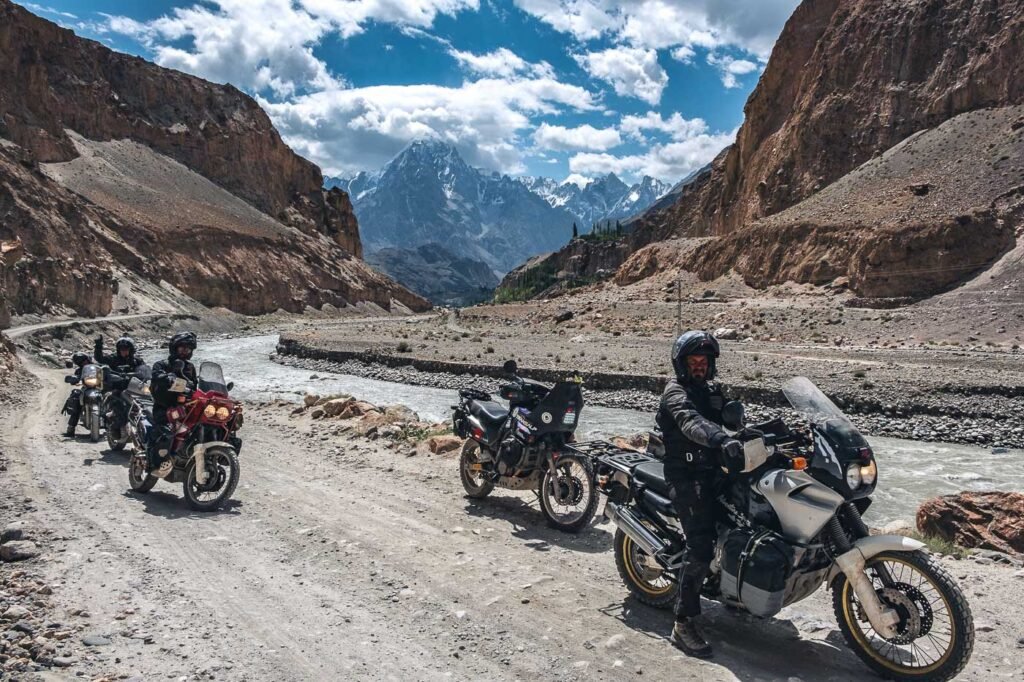
Experience Pakistan from behind the handlebars on an unforgettable motorcycle journey through the Karakoram, Himalaya and the spectacular mountain landscapes of Gilgit-Baltistan.
Ride along legendary mountain roads, cross high-altitude passes, follow ancient trade routes and discover remote valleys surrounded by some of the world’s most dramatic peaks.
Our Bike Safari offers two extraordinary ways to explore Northern Pakistan. Follow the legendary Karakoram Highway from Islamabad towards Khunjerab Pass, or begin in Skardu and cross the spectacular Deosai Plateau before continuing through Astore to Hunza.
Whether you are an experienced long-distance rider or looking for a carefully organised motorcycle adventure, our local team takes care of the logistics while you focus on the road, the mountains and the experience.
Tour Type: Motorcycle Adventure / Bike Safari
Routes: Islamabad → Khunjerab Pass / Skardu → Deosai → Astore → Hunza
Region: Karakoram • Himalaya • Gilgit-Baltistan
Difficulty: Moderate to Challenging
Maximum Altitude: Approx. 4,693 m at Khunjerab Pass
Riding Experience: Suitable for experienced motorcycle riders
Best Season: Generally late spring to early autumn, subject to road and weather conditions
Tour Style: Adventure • Motorcycle • Scenic • Cultural
Experience the breathtaking landscapes of Gilgit-Baltistan on two wheels, where every ride takes you through towering mountains, dramatic valleys, glacial rivers, remote villages, and ancient mountain roads. A bike safari offers a unique way to explore the region at your own pace, combining adventure, cultural encounters, and unforgettable Himalayan and Karakoram scenery. From the legendary Karakoram Highway to quiet valley roads and challenging mountain passes, cycling through Gilgit-Baltistan turns the journey itself into an adventure.
A Bike Safari in Gilgit-Baltistan is an adventure through rugged mountain terrain, winding roads, remote valleys, and changing weather conditions. Riders should be prepared for long riding days, steep climbs and descents, uneven road surfaces, and occasional changes to the planned route depending on road and weather conditions. Along the way, you can expect breathtaking mountain scenery, encounters with local communities, scenic rest stops, and plenty of photo opportunities. A reasonable level of fitness, basic cycling or riding experience, and a spirit of adventure will help you make the most of this unforgettable journey.
| DAY | ROUTE | RIDING EXPERIENCE | OVERNIGHT |
|---|---|---|---|
| Day 1 | Arrival Islamabad | Arrival, motorcycle briefing, documentation and bike inspection. Introduction to the safari and preparation for the road ahead. | Islamabad |
| Day 2 | Islamabad → Naran / Kaghan | Begin the northern ride through the foothills and mountain landscapes. Continue towards the Kaghan Valley. | Naran / Kaghan |
| Day 3 | Naran → Babusar / Chilas | Cross the high mountain route when seasonally accessible, followed by a descent towards the Indus Valley. | Chilas |
| Day 4 | Chilas → Gilgit | Ride along the Karakoram Highway through dramatic mountain scenery, with opportunities for viewpoints and photo stops. | Gilgit |
| Day 5 | Gilgit → Hunza | Continue north towards Hunza, riding through spectacular valleys and along the Hunza River. | Hunza |
| Day 6 | Hunza Valley | Explore Hunza and its surrounding roads. Visit local villages and viewpoints while enjoying a relaxed riding day. | Hunza |
| Day 7 | Hunza → Passu / Gojal | Ride deeper into Upper Hunza, passing Attabad Lake and the dramatic Passu mountain landscape. | Passu / Gojal |
| Day 8 | Gojal → Khunjerab Pass → Hunza | Ride towards the Pakistan-China border through the high-altitude Karakoram landscape and reach Khunjerab Pass at approximately 4,693 metres. Return towards Hunza. | Hunza |
| Day 9 | Hunza → Gilgit | Ride back through the Hunza Valley towards Gilgit, enjoying the mountain scenery along the route. | Gilgit |
| Day 10 | Gilgit → Chilas / Naran | Begin the return journey south, following the mountain highways towards the lower valleys. | Chilas / Naran |
| Day 11 | Naran → Islamabad | Complete the final riding stage towards Islamabad. Farewell dinner and conclusion of the safari. | Islamabad |
| Day 12 | Departure | Transfer for your onward journey. | End of Tour |
| DAY | ROUTE | RIDING EXPERIENCE | OVERNIGHT |
|---|---|---|---|
| Day 1 | Arrival Skardu | Arrival in Skardu, motorcycle briefing, bike inspection and orientation. | Skardu |
| Day 2 | Skardu Valley | Explore Skardu and its surrounding roads. Visit local sights and prepare for the high-altitude ride ahead. | Skardu |
| Day 3 | Skardu → Deosai | Begin the climb towards Deosai and enter the spectacular high-altitude plateau. Ride through open landscapes towards Bara Pani and Sheosar Lake, subject to route conditions. | Deosai / Skardu |
| Day 4 | Deosai → Astore | Cross the Deosai Plateau and continue towards the Astore side of the mountains. Descend from the high plateau into the greener Astore Valley. | Astore |
| Day 5 | Astore Valley | Explore the surrounding mountain roads and valleys. Optional excursion towards Rama and nearby viewpoints depending on road and weather conditions. | Astore |
| Day 6 | Astore → Nanga Parbat Region → Gilgit | Ride towards the Gilgit region, with spectacular views of the surrounding Himalayan and Karakoram landscapes. | Gilgit |
| Day 7 | Gilgit → Hunza | Follow the Hunza River north towards Hunza. Explore the valley and its mountain scenery. | Hunza |
| Day 8 | Hunza Valley | Ride through the historic villages and scenic roads of Hunza. Visit viewpoints and local cultural sites. | Hunza |
| Day 9 | Hunza → Upper Hunza / Gojal | Continue towards Attabad, Passu and Upper Hunza, surrounded by dramatic peaks and glaciers. | Passu / Gojal |
| Day 10 | Gojal → Hunza | Enjoy a final ride through Upper Hunza before returning towards Karimabad. | Hunza |
| Day 11 | Hunza → Gilgit | Return towards Gilgit through the spectacular Hunza Valley. | Gilgit |
| Day 12 | Departure | Transfer for your onward journey. | End of Tour |
Check out our departure dates of 2027, and book now
Let us arrange your transportation as part of a complete travel experience, including tours, accommodation and local travel services.
A Bike Safari through Northern Pakistan is defined by the road itself.
The landscape changes continuously — from the greener foothills around Islamabad and the deep valleys of the Indus to the barren high-altitude landscapes of the Karakoram.
One day may take you beside a glacier-fed river; the next may bring long mountain switchbacks, high passes and enormous peaks rising above the road.
The experience is demanding, rewarding and unforgettable.
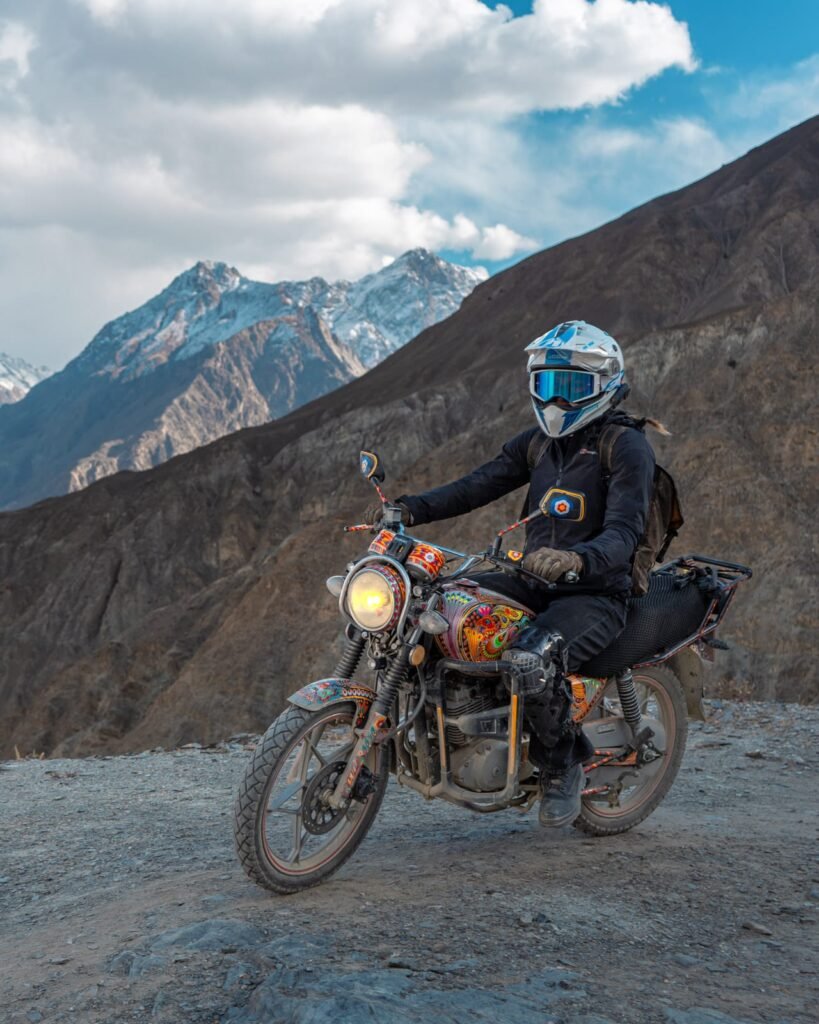
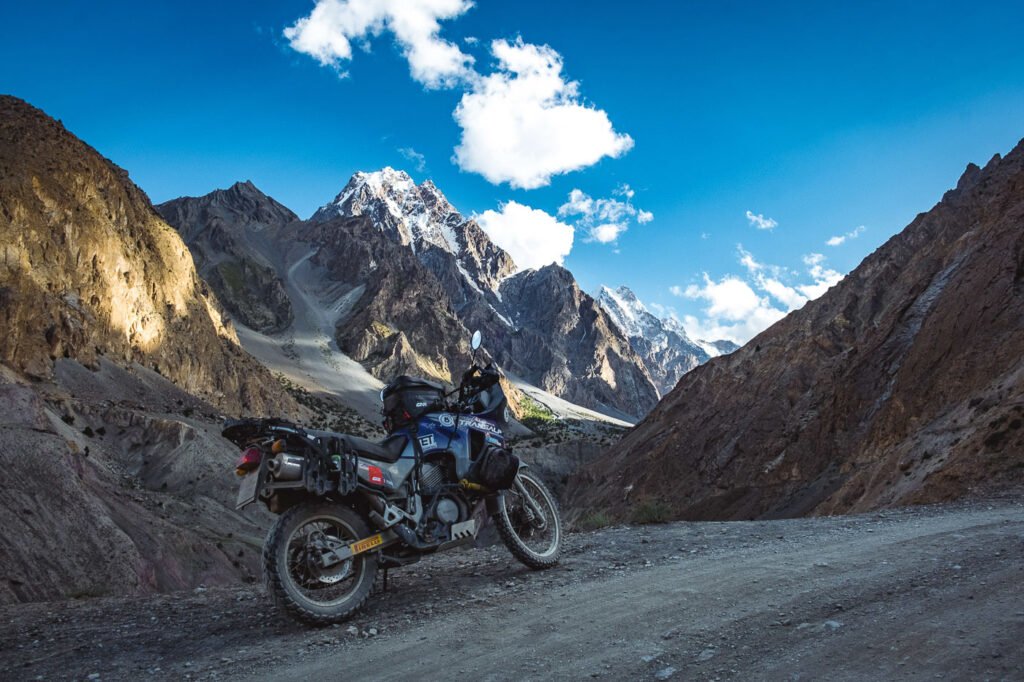
Pakistan is a welcoming country with a rich history, diverse cultures and some of the world’s most spectacular mountain landscapes.
For international visitors, Gilgit-Baltistan offers an opportunity to experience a part of Pakistan that remains relatively untouched by mass tourism.
International guests travelling to Pakistan should review the current visa, permit, travel and expedition requirements before making travel arrangements.
Mountain motorcycle travel requires preparation and flexibility.
Our team monitors route conditions and weather information and can make necessary adjustments when required.
Support arrangements can include a lead guide, support vehicle, luggage assistance and mechanical support depending on the selected package.
In remote areas, emergency response times may be longer than in major cities. Riders should therefore follow the guidance of the tour leader and remain with the group when instructed.
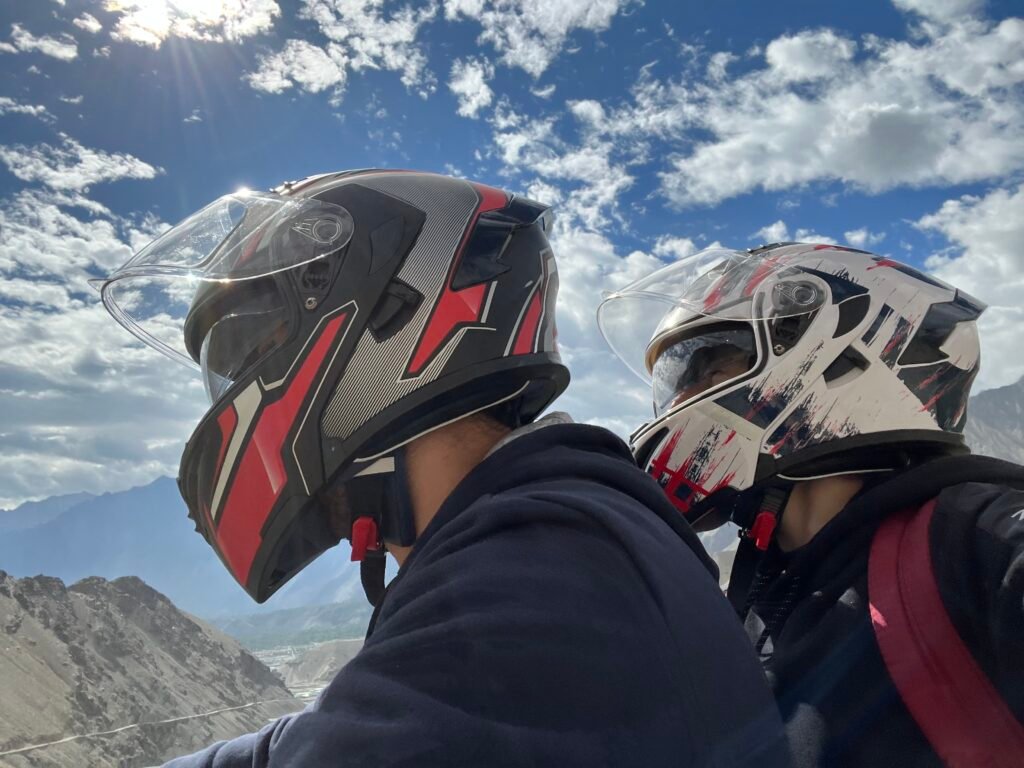
Northern Pakistan’s mountain environment is fragile and many of the areas visited are home to local communities and protected landscapes.
We encourage riders to:
A great motorcycle journey should leave the mountains as impressive as you found them.
Need Help?
International participants travelling to Pakistan for an expedition, trek or mountain adventure should carefully review the relevant travel, visa, insurance and expedition requirements before making final travel arrangements.
Mountain travel in Pakistan involves remote regions, changing weather conditions and specialised logistical arrangements. Requirements may vary depending on nationality, destination and the nature of the planned activity.
The following information provides general guidance for international participants.
International visitors travelling to Pakistan should ensure that they have a valid passport and meet the applicable entry requirements for their nationality.
Visa and entry requirements may change from time to time. Participants are responsible for checking the latest official requirements before making travel arrangements.
Karakoram Holidays may provide appropriate supporting documentation where applicable for confirmed participants. However, visa decisions and entry permissions remain the responsibility of the relevant government authorities.
We recommend beginning the visa process well in advance of your planned departure.
Certain trekking and mountaineering activities in Pakistan may require official permissions, permits or other documentation.
Requirements may vary depending on:
• The destination
• The selected mountain or trekking region
• The type of activity
• The nationality of the participant
• Government regulations
• The specific expedition programme
High-altitude mountaineering expeditions may involve additional permits, government fees and administrative requirements.
Karakoram Holidays will provide appropriate guidance regarding expedition-related arrangements. However, participants are responsible for ensuring that they understand and comply with applicable official regulations.
International participants normally begin their journey by travelling to Pakistan’s main international airports.
Depending on the selected expedition or programme, the journey may continue by domestic flight or road transportation towards the mountain region.
Many expeditions in northern Pakistan involve travel through remote areas where weather, road conditions and flight operations can affect the schedule.
Domestic flights, particularly flights to mountain regions, may be affected by weather conditions.
Road travel may also be affected by:
• Weather
• Landslides
• Road closures
• Traffic conditions
• Seasonal conditions
• Other operational factors
Participants should maintain flexibility when arranging their international travel and avoid scheduling tightly connected international flights immediately after the planned expedition.
Additional days may occasionally be required because of travel delays.
Participants are responsible for obtaining appropriate insurance for their selected activity.
Standard travel insurance may not provide sufficient coverage for trekking, mountaineering or high-altitude activities.
Depending on the selected programme, appropriate insurance may include coverage for:
• Emergency medical treatment
• Personal accidents
• Search and rescue
• Emergency evacuation
• High-altitude trekking
• High-altitude mountaineering
• Helicopter evacuation where available
• Trip interruption
• Trip cancellation
• Repatriation
Participants must carefully check the terms and limitations of their insurance policy.
For high-altitude expeditions, the insurance policy should specifically cover the intended mountaineering activity and appropriate altitude.
The specific insurance requirements for each mountain may be provided on the relevant expedition page.
Participants are responsible for arriving with appropriate personal clothing and equipment suitable for their selected expedition or trekking programme.
Mountain conditions can vary significantly depending on:
• Altitude
• Weather
• Temperature
• Season
• Terrain
• Snow and ice conditions
High-altitude expeditions require specialised clothing and mountaineering equipment.
Participants should carefully review the equipment requirements for their selected expedition before travelling.
A detailed equipment list may be provided during the preparation and booking process.
Participants are responsible for ensuring that their personal equipment is appropriate, functional and suitable for the planned activity.
High-altitude mountaineering and trekking require careful physical and mental preparation.
Participants should prepare appropriately before joining an expedition.
Preparation may include:
• Physical fitness training
• Endurance training
• Strength training
• Previous trekking or climbing experience
• Technical mountaineering training
• Acclimatisation planning
• Equipment preparation
The experience and fitness requirements vary depending on the selected mountain.
Participants should carefully review the requirements of their chosen expedition.
For major mountaineering expeditions, previous high-altitude and technical climbing experience may be required.
Participants should plan for personal expenses that may not be included in the selected expedition package.
Depending on the programme, personal expenses may include:
• International flights
• Visa costs
• Travel insurance
• Personal equipment
• Additional hotel nights
• Meals not included in the programme
• Personal purchases
• Tips
• Communication expenses
• Additional transportation
• Costs caused by unexpected delays
• Other personal expenses
Participants should maintain sufficient financial flexibility during their journey.
Unexpected weather or travel delays may occasionally result in additional expenses.
Pakistan uses the Pakistani Rupee (PKR).
Access to banking and payment facilities may be limited in remote mountain regions.
International participants are advised to make appropriate financial arrangements before travelling towards remote areas.
Cash may be required for certain personal expenses.
Participants should discuss any questions regarding expedition payments and included services with Karakoram Holidays before confirming their booking.
Mobile and internet coverage may be limited or unavailable in remote mountain regions.
Communication services may vary by location and selected expedition.
Participants should not expect reliable mobile or internet access during all stages of a mountain expedition.
Communication arrangements at Base Camp and other remote locations may depend on the available facilities and services.
Participants should inform family members that communication may be limited at certain points during the journey.
Participants are responsible for ensuring that they are physically prepared for their selected activity.
Participants should provide accurate information regarding relevant experience, fitness and any information necessary for safe expedition planning.
High-altitude environments can place significant physical demands on the human body.
Participants must follow reasonable safety instructions provided by expedition leaders, guides and authorised team members.
If a participant is considered unable to continue safely, the expedition team may recommend or require changes to their participation.
Safety decisions made during an expedition must be respected.
The Karakoram, the Himalaya, and other mountain regions of Pakistan are environmentally and culturally important.
We encourage participants to respect:
• Local communities
• Local traditions
• Mountain environments
• Glaciers
• Wildlife
• Cultural sites
Participants should minimise unnecessary waste and follow responsible travel practices throughout the journey.
We believe that responsible tourism and mountaineering play an important role in protecting Pakistan’s mountain environments for future generations.
The requirements, regulations and logistical arrangements for each expedition may vary.
Participants should carefully review the specific information provided for their selected mountain or programme.
Government regulations, visa requirements, permits and travel conditions may change.
The information provided by Karakoram Holidays is intended as general guidance. Participants are encouraged to confirm their current requirements with the relevant official authorities before travelling.