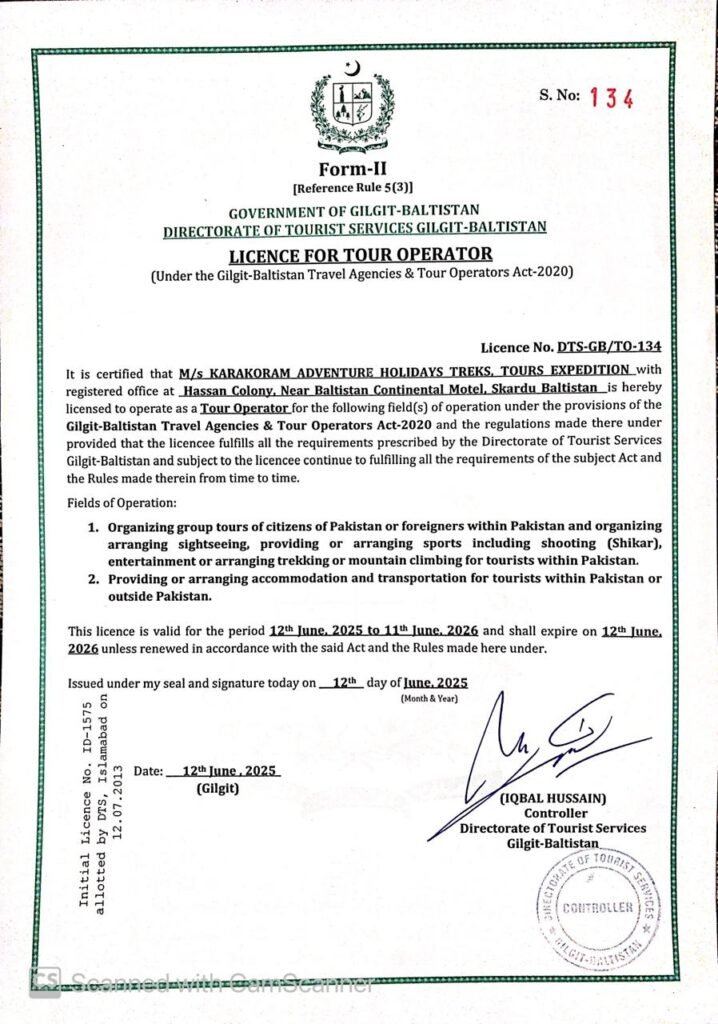
Broad Peak, rising to 8,051 metres, is the world’s twelfth-highest mountain and one of the most iconic 8,000-metre peaks in Pakistan’s Karakoram.
Located near K2 at the head of the Baltoro Glacier, Broad Peak offers an extraordinary combination of high-altitude mountaineering and one of the world’s most spectacular mountain approaches.
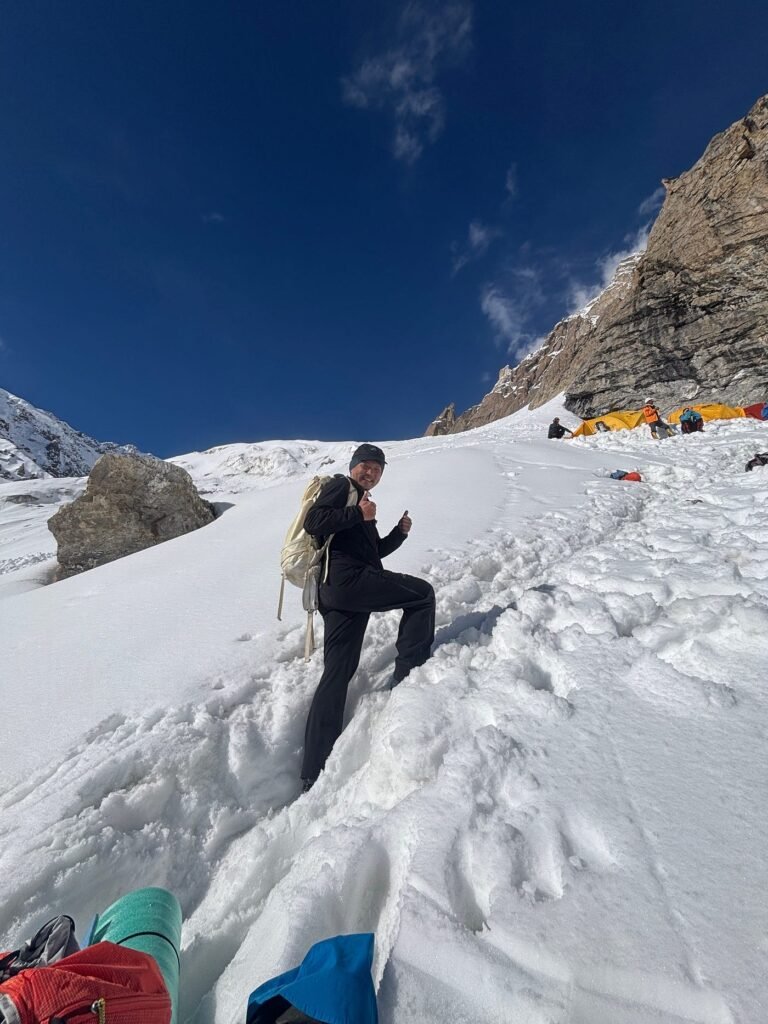
The expedition begins with a journey through Baltistan, then a trek from Askole across the legendary Baltoro Glacier to Concordia and Broad Peak Base Camp. From Base Camp, the expedition becomes a serious high-altitude climbing challenge. Climbers follow the classic West Spur, gradually establishing higher camps and completing acclimatisation rotations before preparing for the summit attempt.
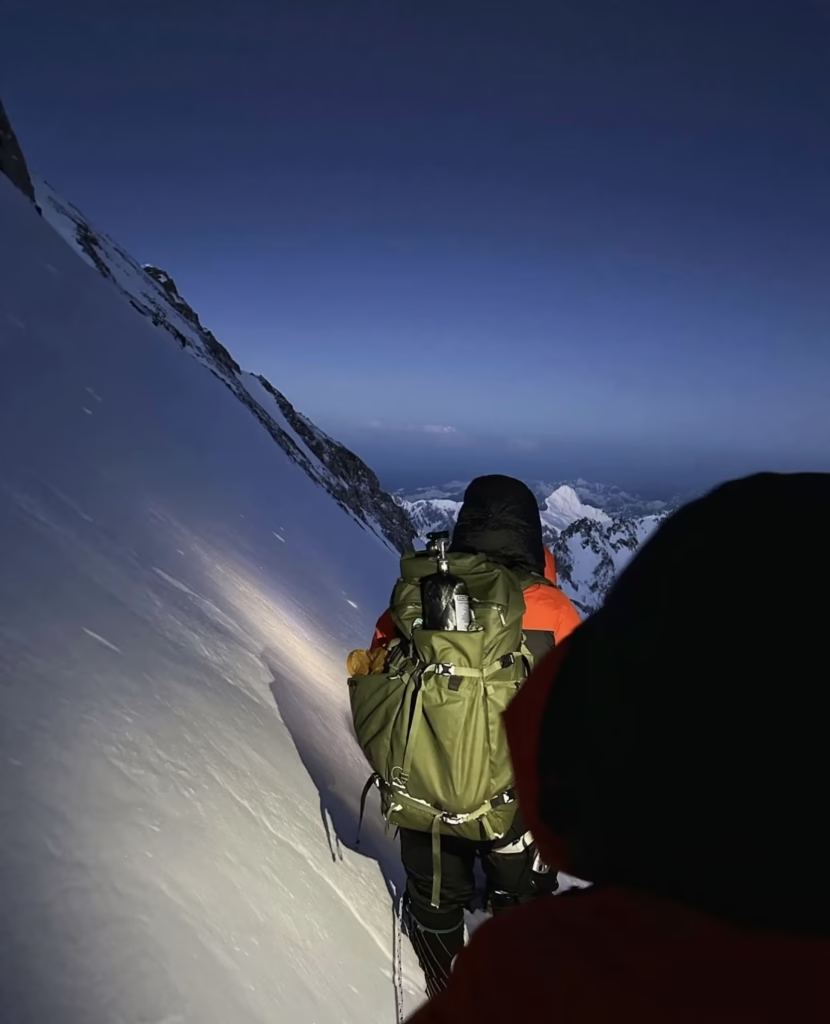
Broad Peak is often considered less technically demanding than some of the other 8,000 m mountains. However, this should never be mistaken for an easy climb. Extreme altitude, severe weather, fixed-rope sections, snow and ice conditions, exhaustion and the mountain’s famously long summit ridge make Broad Peak a serious objective for experienced mountaineers.
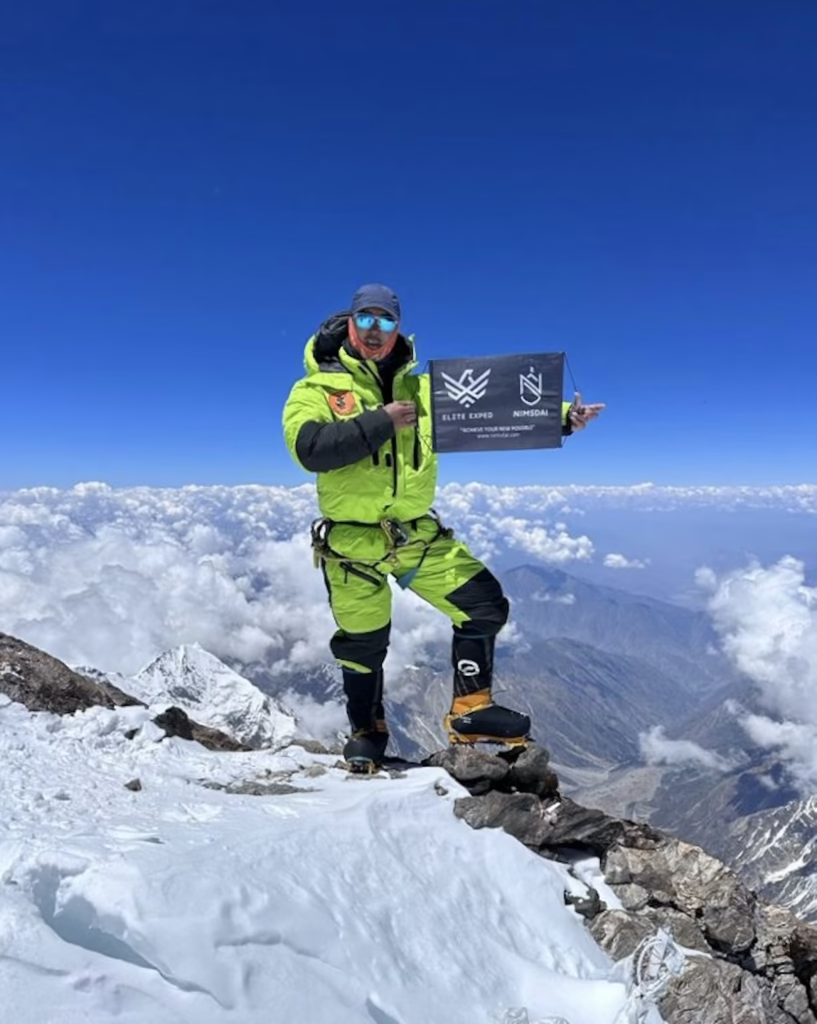
The final challenge is the long traverse beyond the forepeak towards the true summit at 8,051 metres.
For properly prepared climbers, Broad Peak offers an unforgettable journey into the heart of the Karakoram and an opportunity to stand among the world’s highest mountains.
• Attempt the summit of Broad Peak at 8,051 metres
• Climb the world’s twelfth-highest mountain
• Experience one of Pakistan’s legendary 8,000-metre expeditions
• Travel through the spectacular region of Baltistan
• Trek across the legendary Baltoro Glacier
• Experience the magnificent landscapes of the Karakoram
• Camp beneath some of the world’s highest mountains
• Reach the legendary Concordia
• Establish and live at Broad Peak Base Camp
• Climb the classic West Spur / West Ridge route
• Complete carefully planned acclimatisation rotations
• Experience extreme-altitude mountaineering
• Climb through high-altitude camps towards the summit
• Cross the famous Broad Peak summit ridge
• Face the challenge of the deceptive forepeak and the long route to the true summit
• Enjoy spectacular views of K2 and the surrounding Karakoram giants
• Attempt one of the world’s most respected 8,000-metre summits
Expedition Duration: Approximately 45–55 Days
Maximum Altitude: 8,051 m / 26,414 ft
Peak: Broad Peak
World Ranking: 12th-Highest Mountain in the World
Mountain Range: Karakoram
Region: Gilgit-Baltistan, Pakistan
Difficulty: Extremely Difficult / High-Altitude Expedition
Technical Experience Required: Yes
Best Climbing Season: June to August
Starting Point: Islamabad, Pakistan
Approach Route: Askole – Baltoro Glacier – Concordia – Broad Peak Base Camp
Main Climbing Route: West Spur / West Ridge
Accommodation: Hotels and Expedition Camping
Group Size: Limited Expedition Team
Summit Success: Never Guaranteed
The Broad Peak Expedition is designed for experienced mountaineers with previous high-altitude climbing experience and strong physical conditioning.
Although Broad Peak is sometimes described as one of the more accessible 8,000-metre mountains, it remains an extremely serious expedition in the world’s highest mountain environment.
Broad Peak is not suitable for beginners or for trekkers with limited experience.
Participants should have previous experience with:
• High-altitude mountaineering
• Multi-day mountain expeditions
• Crampons and ice axe techniques
• Fixed ropes
• Snow and ice climbing
• High-altitude camping
• Long and physically demanding climbing days
• Remote mountain environments
Previous experience on major 6,000-metre or 7,000-metre peaks is strongly recommended.
Experience on high-altitude expeditions is particularly important because Broad Peak reaches the extreme altitude zone above 8,000 metres.
Before confirming participation, we may request details regarding your previous mountaineering experience and climbing background.
Every climber should understand that Broad Peak requires serious preparation, proper acclimatisation, excellent physical fitness and responsible decision-making.
A K2 Expedition operates in one of the world’s most remote and demanding mountain environments. Weather, snow conditions, icefall conditions, avalanches, route conditions, permit requirements and other operational factors may affect the expedition.
The climbing itinerary is therefore flexible and cannot be guaranteed day by day.
Summit attempts will only be made when conditions are considered suitable. Decisions regarding climbing schedules and summit attempts will be based on weather forecasts, mountain conditions, acclimatisation, team readiness and safety considerations.
Flights between Islamabad and Skardu may also be delayed or cancelled due to weather. Road travel, trekking schedules and expedition logistics may be affected by landslides, road conditions or other circumstances.
Our expedition team will make every reasonable effort to operate according to the planned schedule. However, safety will always take priority over the itinerary or summit objective.
Additional costs resulting from delays, extended stays, transport changes, accommodation or other circumstances beyond our control may be the responsibility of the participant.
Please review our booking, payment, cancellation and expedition terms before confirming your participation.
Nanga Parbat is one of the world’s most serious high-altitude mountaineering objectives.
Climbing at 8,126 metres involves significant risks, including extreme weather, avalanches, falling rock and ice, crevasses, altitude sickness, frostbite, exhaustion and technical climbing hazards.
The Diamir Face and Kinshofer Route may involve steep and exposed terrain.
No expedition operator can guarantee a successful summit.
Climbers must be prepared to turn back if weather, health, fatigue or mountain conditions make continuing unsafe.
The decision to abandon a summit attempt may be made at any point for safety reasons.
Reaching the summit is optional. Returning safely is essential.
| DAY | LOCATION / ACTIVITY | DETAILS |
|---|---|---|
| Day 1 | Arrival in Islamabad | Arrive in Islamabad and meet our representative. Transfer to the hotel and rest after your international journey. |
| Day 2 | Islamabad – Expedition Briefing & Preparation | Meet the expedition team, review the expedition plan, complete documentation and check equipment before travelling towards the Karakoram. |
| Day 3 | Islamabad to Skardu | Fly to Skardu, weather permitting. Enjoy spectacular views of the Himalaya and Karakoram during the flight. |
| Day 4 | Skardu – Preparation & Logistics | Finalise expedition supplies, organise equipment and complete preparations for the journey towards Askole. |
| Day 5 | Skardu to Askole | Travel by 4WD jeep to Askole, one of the final permanent settlements before entering the remote Baltoro region. |
| Day 6 | Askole to Jhola | Begin the approach trek, following the Braldu River through dramatic mountain landscapes. |
| Day 7 | Jhola to Paiju | Continue trekking towards Paiju, with increasingly impressive views of the surrounding Karakoram mountains. |
| Day 8 | Paiju – Rest & Acclimatisation | Spend the day resting and acclimatising before continuing deeper into the Baltoro Glacier region. |
| Day 9 | Paiju to Khoburtse / Urdukas | Continue towards the Baltoro Glacier, surrounded by dramatic mountain scenery. The exact campsite may depend on the expedition schedule and conditions. |
| Day 10 | Urdukas to Goro II | Trek deeper into the Baltoro Glacier, surrounded by some of the highest mountains in the Karakoram. |
| Day 11 | Goro II to Concordia | Arrive at legendary Concordia, one of the most spectacular mountain locations in the world. |
| Day 12 | Concordia to Broad Peak Base Camp | Continue towards Broad Peak Base Camp, entering the heart of the high Karakoram. Establish the main expedition camp. |
| Day 13–16 | Base Camp – Rest & Acclimatisation | Rest, organise expedition equipment and begin acclimatisation. The team prepares for the first climbing rotation. |
| Day 17–24 | First Acclimatisation Rotation | Begin climbing rotations above Base Camp. Gain altitude gradually and spend time at higher camps before returning to Base Camp for recovery. |
| Day 25–28 | Rest & Recovery at Base Camp | Return to Base Camp for rest and recovery. The expedition team monitors weather forecasts and mountain conditions. |
| Day 29–36 | Higher Acclimatisation Rotation | Continue acclimatisation towards higher camps on the West Spur / West Ridge. Prepare the body for the extreme altitude of the summit attempt. |
| Day 37–40 | Rest & Summit Preparation | Return to Base Camp for recovery and final preparation. Equipment, food and summit supplies are checked while the team waits for a suitable weather window. |
| Day 41–47 | SUMMIT WINDOW | Begin the summit attempt when weather and mountain conditions are suitable. Climbers move through high-altitude camps and towards the upper mountain before following the famous summit ridge towards the true summit of Broad Peak at 8,051 metres. |
| Day 48–49 | Return to Base Camp | Descend safely following the summit attempt and return to Base Camp for rest and recovery. |
| Day 50 | Broad Peak Base Camp to Concordia | Begin the return journey towards Concordia. |
| Day 51 | Concordia to Goro II | Continue descending along the Baltoro Glacier. |
| Day 52 | Goro II to Urdukas / Paiju | Continue the return journey through the Baltoro region. |
| Day 53 | Return Towards Askole | Continue trekking towards Askole. |
| Day 54 | Askole to Skardu | Travel by 4WD jeep back towards Skardu. |
| Day 55 | Skardu to Islamabad / Contingency | Fly to Islamabad, weather permitting, or use this day as part of the expedition contingency schedule. |
This itinerary is a general expedition framework and should not be considered a fixed day-by-day schedule.
Broad Peak is an extremely serious high-altitude expedition, and the climbing schedule depends on weather, mountain conditions, acclimatisation, route conditions and the safety of the expedition team.
Additional contingency days may be required.
The expedition leadership may change the itinerary whenever necessary for safety or operational reasons.
The summit is never guaranteed. Safety will always remain the highest priority.
Check out our departure dates of 2027, and book now
Let us arrange your transportation as part of a complete travel experience, including tours, accommodation and local travel services.
International guests travelling to Pakistan should review the current visa, permit, travel and expedition requirements before making travel arrangements.
Visa requirements, mountaineering permissions, trekking regulations and government policies may change. We strongly recommend checking the latest information directly from the relevant official authorities before travelling to Pakistan or planning a mountaineering expedition.
Broad Peak is an 8,000-metre mountain, and climbing expeditions are subject to applicable government regulations, permits and expedition requirements.
Participants may be required to provide documentation, such as passport information, insurance details, and previous climbing experience, as part of the expedition planning process.
Permit requirements, government fees and expedition regulations may change.
Our team will assist with the expedition planning and administrative arrangements included in your selected expedition package.
We recommend beginning the planning and documentation process well in advance of the climbing season.
International climbers should allow sufficient time for permits and expedition documentation before travelling to Pakistan.
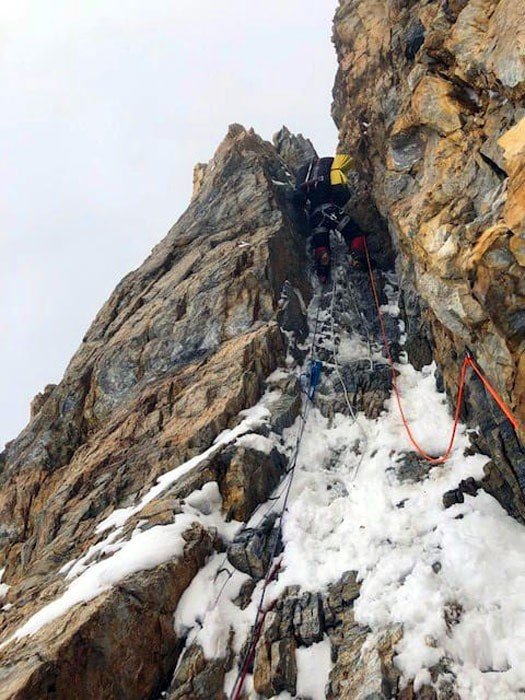
Broad Peak rises to 8,051 metres, and climbing at this altitude places the human body under extreme physical stress.
Above 8,000 metres, oxygen levels are extremely low, and the body is exposed to severe fatigue and environmental conditions.
Excellent physical fitness alone is not sufficient for this expedition.
Participants should have:
• Strong cardiovascular fitness
• Excellent leg and core strength
• Previous high-altitude experience
• Technical mountaineering ability
• Experience with crampons and ice axe techniques
• Experience using fixed ropes
• Strong endurance
• The ability to function in extreme cold
• Mental resilience
• Good judgement and decision-making ability
The expedition includes a gradual acclimatisation strategy to help climbers adapt to increasing altitude.
However, acclimatisation cannot eliminate the risks associated with extreme altitude.
Climbers must understand the importance of communicating health concerns and recognising symptoms of altitude-related illness.
The summit should never take priority over personal safety.
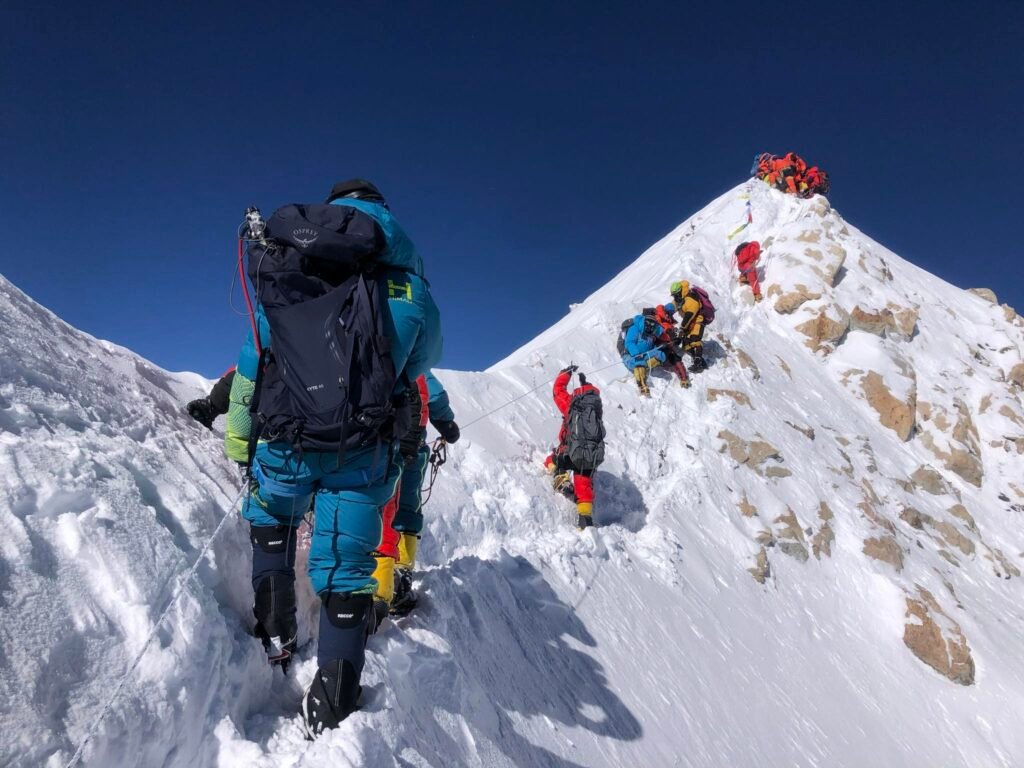
A Broad Peak Expedition is a serious high-altitude mountaineering experience.
The expedition combines a remote trek through the Baltoro Glacier with several weeks of expedition life and climbing in one of the world’s most spectacular mountain environments.
Participants should expect:
• A remote mountain environment
• Expedition-style camping
• Glacier travel
• Limited facilities
• Extreme cold
• Strong winds
• Rapidly changing weather
• High-altitude climbing
• Fixed ropes
• Snow and ice conditions
• High-altitude camps
• Long acclimatisation periods
• Rest days at Base Camp
• Physically demanding climbing days
• Long periods waiting for suitable weather
• A demanding summit push
• A long summit ridge
• Extreme altitude above 8,000 metres
Patience, flexibility and responsible decision-making are essential.
The mountain determines the pace of the expedition.
Broad Peak requires specialised high-altitude and technical mountaineering equipment.
Participants are responsible for ensuring that they have the appropriate personal climbing equipment unless specific items are included in their expedition package.
Equipment requirements may include:
• High-altitude mountaineering boots
• Crampons
• Ice axe
• Climbing harness
• Helmet
• Carabiners and personal climbing equipment
• Down suit
• High-altitude gloves
• Insulated clothing
• Sleeping bag suitable for extreme cold
• Goggles and sunglasses
• Headlamp
• Technical climbing clothing
• Personal medical supplies
• High-altitude backpack
• Other equipment required by the expedition
A detailed equipment list should be reviewed with the expedition team before arrival.
All technical equipment should be checked and approved before the expedition begins.
Travel and climbing conditions in the Karakoram can be unpredictable.
Flights between Islamabad and Skardu may be delayed or cancelled because of weather conditions.
Road travel between Skardu and Askole may also be affected by weather, landslides, road maintenance or other circumstances.
Once the expedition enters the Baltoro region, access to modern facilities and communication becomes increasingly limited.
Weather on Broad Peak can change rapidly.
Strong winds, snowfall, extreme cold and changing mountain conditions may delay climbing activities for days.
The summit attempt depends entirely on a suitable weather window and safe mountain conditions.
For this reason, expedition schedules include contingency days and waiting periods.
Participants should maintain flexibility throughout the expedition and, where possible, avoid arranging international travel immediately after the planned expedition end date.
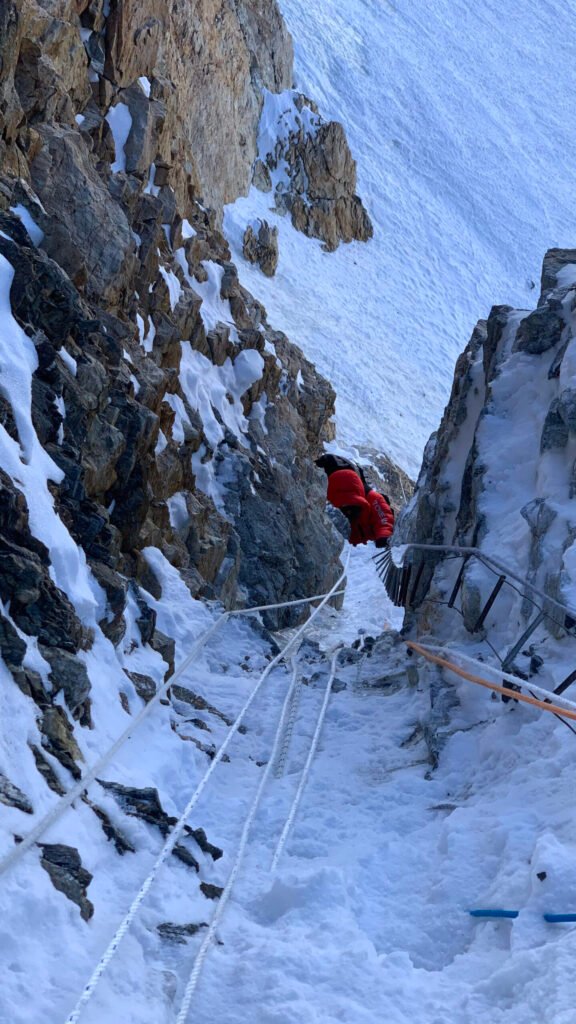
The Karakoram is one of the world’s most remarkable mountain environments.
We encourage all expedition members to respect the natural environment and minimise their impact throughout the journey.
Participants must bring appropriate personal clothing and equipment suitable for the selected expedition and expected mountain conditions.
Need Help?
Thank you for choosing Karakoram Holidays for your mountain expedition, trek or adventure in Pakistan.
Our expeditions and mountain journeys involve extensive planning, permits, transportation, accommodation, staff, equipment and other logistical arrangements. Please read the following booking and cancellation terms carefully before confirming your trip.
To reserve your place on an expedition, trek or other adventure programme, an advance deposit may be required.
The required deposit amount and payment schedule will be communicated to you during the booking process and may vary depending on the selected expedition, services, permits and logistical requirements.
A booking will be considered confirmed only after the required deposit has been received and accepted by Karakoram Holidays.
The remaining balance must be paid according to the agreed payment schedule before the start of the expedition or trip.
For certain expeditions, particularly high-altitude mountaineering expeditions, advance payments may be required for permits, government fees, accommodation, transportation, logistics and other arrangements.
These costs may be non-refundable once they have been paid or committed to third-party service providers.
Payment instructions and available payment methods will be provided during the booking process.
Participants are responsible for any bank charges, transfer fees or other transaction costs associated with their payment.
Any outstanding balance must be settled according to the agreed payment schedule.
Failure to complete payment within the agreed timeframe may result in the cancellation of the booking.
If you wish to make changes to your booking, please contact us as soon as possible.
We will make reasonable efforts to accommodate requested changes. However, changes may be subject to availability, additional costs, permit requirements and the policies of third-party service providers.
Certain expedition arrangements, permits, transportation services and other bookings may not be changed once they have been confirmed.
Any additional costs resulting from changes requested by the participant may be the participant’s responsibility.
We understand that unexpected circumstances may require you to cancel your expedition or trip.
If you need to cancel your booking, please notify Karakoram Holidays in writing as soon as possible.
The cancellation will take effect from the date on which written notification is received.
Refund eligibility will depend on the timing of the cancellation and the costs that have already been incurred for permits, government fees, accommodation, transportation, logistics and other expedition arrangements.
Certain costs may be non-refundable once they have been paid or committed.
These may include:
• Government permits and fees
• Mountaineering permits
• Trekking permits
• Expedition royalties
• Visa support documentation
• Hotel reservations
• Transportation bookings
• Domestic flights
• Equipment and logistical arrangements
• Payments made to third-party service providers
• Other services specifically arranged for the participant
Any non-refundable costs already incurred may be deducted from any applicable refund.
Refunds, where applicable, will be calculated according to the cancellation terms agreed during the booking process.
The amount of any refund may depend on:
• The date of cancellation
• The type of expedition or trip
• Government and permit costs already incurred
• Payments made to service providers
• Transportation and accommodation arrangements
• Expedition logistics already organised
• Other non-recoverable expenses
We strongly recommend that participants obtain appropriate travel and trip cancellation insurance.
Mountain expeditions and travel in remote regions can be affected by circumstances beyond our control.
We reserve the right to modify, postpone or cancel an expedition or trip when necessary due to factors including:
• Severe weather
• Unsafe mountain conditions
• Natural disasters
• Road closures
• Landslides
• Flight cancellations or delays
• Government restrictions
• Security concerns
• Political situations
• Permit issues
• Natural emergencies
• Other circumstances beyond our reasonable control
In such circumstances, we will make reasonable efforts to provide suitable alternatives where possible.
However, additional costs resulting from circumstances beyond our control may be the responsibility of the participant.
All itineraries should be considered flexible.
Mountain expeditions and trekking programmes operate in environments where weather, road conditions, flights, glacier conditions, snow conditions and other factors can change unexpectedly.
The itinerary may therefore be modified for operational or safety reasons.
The expedition leader or relevant team members may make changes to the itinerary when necessary.
For high-altitude expeditions, climbing rotations and summit attempts depend on:
• Weather conditions
• Mountain conditions
• Route conditions
• Snow and ice conditions
• The health and acclimatisation of participants
• Team readiness
• Safety considerations
Safety will always take priority over the planned itinerary or summit objective.
Participants should understand that unexpected delays may result in additional expenses.
These may include:
• Additional hotel accommodation
• Extra meals
• Extended transportation services
• Additional domestic travel costs
• Extra expedition logistics
• Additional accommodation before or after the expedition
• Changes to international flights
• Other personal expenses
Where additional expenses result from circumstances beyond the reasonable control of Karakoram Holidays, these costs may be the responsibility of the participant.
We strongly recommend maintaining sufficient financial flexibility and allowing additional time when arranging international travel.
For mountaineering expeditions, a successful summit cannot be guaranteed.
Mountain conditions, weather, health, altitude, physical condition and other factors may prevent a participant or the entire team from reaching the planned summit.
Participants must be prepared to turn back at any point if continuing becomes unsafe.
Failure to reach a summit or complete the planned itinerary does not automatically entitle a participant to a refund.
THE SUMMIT IS OPTIONAL. RETURNING SAFELY IS ESSENTIAL.
Participants are strongly advised, and may be required depending on the selected expedition, to obtain appropriate travel and expedition insurance.
Insurance requirements may include coverage for:
• Emergency medical treatment
• Personal accidents
• Search and rescue
• Emergency evacuation
• Helicopter evacuation where available
• High-altitude mountaineering
• Trekking activities
• Trip interruption
• Trip cancellation
• Repatriation
Participants are responsible for ensuring that their insurance provides appropriate coverage for their selected activity and altitude.
Standard travel insurance may not cover high-altitude trekking or mountaineering.
Participants joining high-altitude expeditions should carefully confirm that their policy specifically covers the intended activity and maximum altitude.
Participants are responsible for ensuring that they are physically and mentally prepared for the selected expedition or trip.
Participants must provide accurate information regarding their health, fitness and previous mountaineering experience where required.
For high-altitude expeditions, participants may be asked to provide details regarding:
• Previous climbing experience
• Highest mountains climbed
• Technical climbing experience
• High-altitude experience
• Relevant mountaineering skills
Participants must follow reasonable instructions provided by expedition leaders, guides and authorised team members.
Failure to follow safety instructions may result in a participant being asked to discontinue participation in certain activities.
Karakoram Holidays cannot be held responsible for delays, changes, cancellations or additional expenses resulting from circumstances beyond our reasonable control.
These may include natural disasters, severe weather, earthquakes, landslides, floods, road closures, flight disruptions, government actions, political situations, security concerns, pandemics or other unforeseen events.
In such circumstances, reasonable efforts will be made to modify the itinerary or provide suitable alternatives where possible.
By confirming a booking, participants acknowledge that they have read and understood the applicable booking and cancellation terms.
Participants also acknowledge that mountain travel, trekking and mountaineering involve inherent risks and that itineraries may change due to weather, safety and operational conditions.
We encourage all participants to carefully review these terms and contact Karakoram Holidays if they have any questions before confirming their booking.
The specific terms, prices, inclusions, exclusions, payment schedules, permit requirements and expedition services may vary depending on the selected expedition or programme.
Any specific terms agreed for an individual booking or expedition will be communicated during the booking process.
International participants travelling to Pakistan for an expedition, trek or mountain adventure should carefully review the relevant travel, visa, insurance and expedition requirements before making final travel arrangements.
Mountain travel in Pakistan involves remote regions, changing weather conditions and specialised logistical arrangements. Requirements may vary depending on nationality, destination and the nature of the planned activity.
The following information provides general guidance for international participants.
International visitors travelling to Pakistan should ensure that they have a valid passport and meet the applicable entry requirements for their nationality.
Visa and entry requirements may change from time to time. Participants are responsible for checking the latest official requirements before making travel arrangements.
Karakoram Holidays may provide appropriate supporting documentation where applicable for confirmed participants. However, visa decisions and entry permissions remain the responsibility of the relevant government authorities.
We recommend beginning the visa process well in advance of your planned departure.
Certain trekking and mountaineering activities in Pakistan may require official permissions, permits or other documentation.
Requirements may vary depending on:
• The destination
• The selected mountain or trekking region
• The type of activity
• The nationality of the participant
• Government regulations
• The specific expedition programme
High-altitude mountaineering expeditions may involve additional permits, government fees and administrative requirements.
Karakoram Holidays will provide appropriate guidance regarding expedition-related arrangements. However, participants are responsible for ensuring that they understand and comply with applicable official regulations.
International participants normally begin their journey by travelling to Pakistan’s main international airports.
Depending on the selected expedition or programme, the journey may continue by domestic flight or road transportation towards the mountain region.
Many expeditions in northern Pakistan involve travel through remote areas where weather, road conditions and flight operations can affect the schedule.
Domestic flights, particularly flights to mountain regions, may be affected by weather conditions.
Road travel may also be affected by:
• Weather
• Landslides
• Road closures
• Traffic conditions
• Seasonal conditions
• Other operational factors
Participants should maintain flexibility when arranging their international travel and avoid scheduling tightly connected international flights immediately after the planned expedition.
Additional days may occasionally be required because of travel delays.
Participants are responsible for obtaining appropriate insurance for their selected activity.
Standard travel insurance may not provide sufficient coverage for trekking, mountaineering or high-altitude activities.
Depending on the selected programme, appropriate insurance may include coverage for:
• Emergency medical treatment
• Personal accidents
• Search and rescue
• Emergency evacuation
• High-altitude trekking
• High-altitude mountaineering
• Helicopter evacuation where available
• Trip interruption
• Trip cancellation
• Repatriation
Participants must carefully check the terms and limitations of their insurance policy.
For high-altitude expeditions, the insurance policy should specifically cover the intended mountaineering activity and appropriate altitude.
The specific insurance requirements for each mountain may be provided on the relevant expedition page.
Participants are responsible for arriving with appropriate personal clothing and equipment suitable for their selected expedition or trekking programme.
Mountain conditions can vary significantly depending on:
• Altitude
• Weather
• Temperature
• Season
• Terrain
• Snow and ice conditions
High-altitude expeditions require specialised clothing and mountaineering equipment.
Participants should carefully review the equipment requirements for their selected expedition before travelling.
A detailed equipment list may be provided during the preparation and booking process.
Participants are responsible for ensuring that their personal equipment is appropriate, functional and suitable for the planned activity.
High-altitude mountaineering and trekking require careful physical and mental preparation.
Participants should prepare appropriately before joining an expedition.
Preparation may include:
• Physical fitness training
• Endurance training
• Strength training
• Previous trekking or climbing experience
• Technical mountaineering training
• Acclimatisation planning
• Equipment preparation
The experience and fitness requirements vary depending on the selected mountain.
Participants should carefully review the requirements of their chosen expedition.
For major mountaineering expeditions, previous high-altitude and technical climbing experience may be required.
Participants should plan for personal expenses that may not be included in the selected expedition package.
Depending on the programme, personal expenses may include:
• International flights
• Visa costs
• Travel insurance
• Personal equipment
• Additional hotel nights
• Meals not included in the programme
• Personal purchases
• Tips
• Communication expenses
• Additional transportation
• Costs caused by unexpected delays
• Other personal expenses
Participants should maintain sufficient financial flexibility during their journey.
Unexpected weather or travel delays may occasionally result in additional expenses.
Pakistan uses the Pakistani Rupee (PKR).
Access to banking and payment facilities may be limited in remote mountain regions.
International participants are advised to make appropriate financial arrangements before travelling towards remote areas.
Cash may be required for certain personal expenses.
Participants should discuss any questions regarding expedition payments and included services with Karakoram Holidays before confirming their booking.
Mobile and internet coverage may be limited or unavailable in remote mountain regions.
Communication services may vary by location and selected expedition.
Participants should not expect reliable mobile or internet access during all stages of a mountain expedition.
Communication arrangements at Base Camp and other remote locations may depend on the available facilities and services.
Participants should inform family members that communication may be limited at certain points during the journey.
Participants are responsible for ensuring that they are physically prepared for their selected activity.
Participants should provide accurate information regarding relevant experience, fitness and any information necessary for safe expedition planning.
High-altitude environments can place significant physical demands on the human body.
Participants must follow reasonable safety instructions provided by expedition leaders, guides and authorised team members.
If a participant is considered unable to continue safely, the expedition team may recommend or require changes to their participation.
Safety decisions made during an expedition must be respected.
The Karakoram, the Himalaya, and other mountain regions of Pakistan are environmentally and culturally important.
We encourage participants to respect:
• Local communities
• Local traditions
• Mountain environments
• Glaciers
• Wildlife
• Cultural sites
Participants should minimise unnecessary waste and follow responsible travel practices throughout the journey.
We believe that responsible tourism and mountaineering play an important role in protecting Pakistan’s mountain environments for future generations.
The requirements, regulations and logistical arrangements for each expedition may vary.
Participants should carefully review the specific information provided for their selected mountain or programme.
Government regulations, visa requirements, permits and travel conditions may change.
The information provided by Karakoram Holidays is intended as general guidance. Participants are encouraged to confirm their current requirements with the relevant official authorities before travelling.